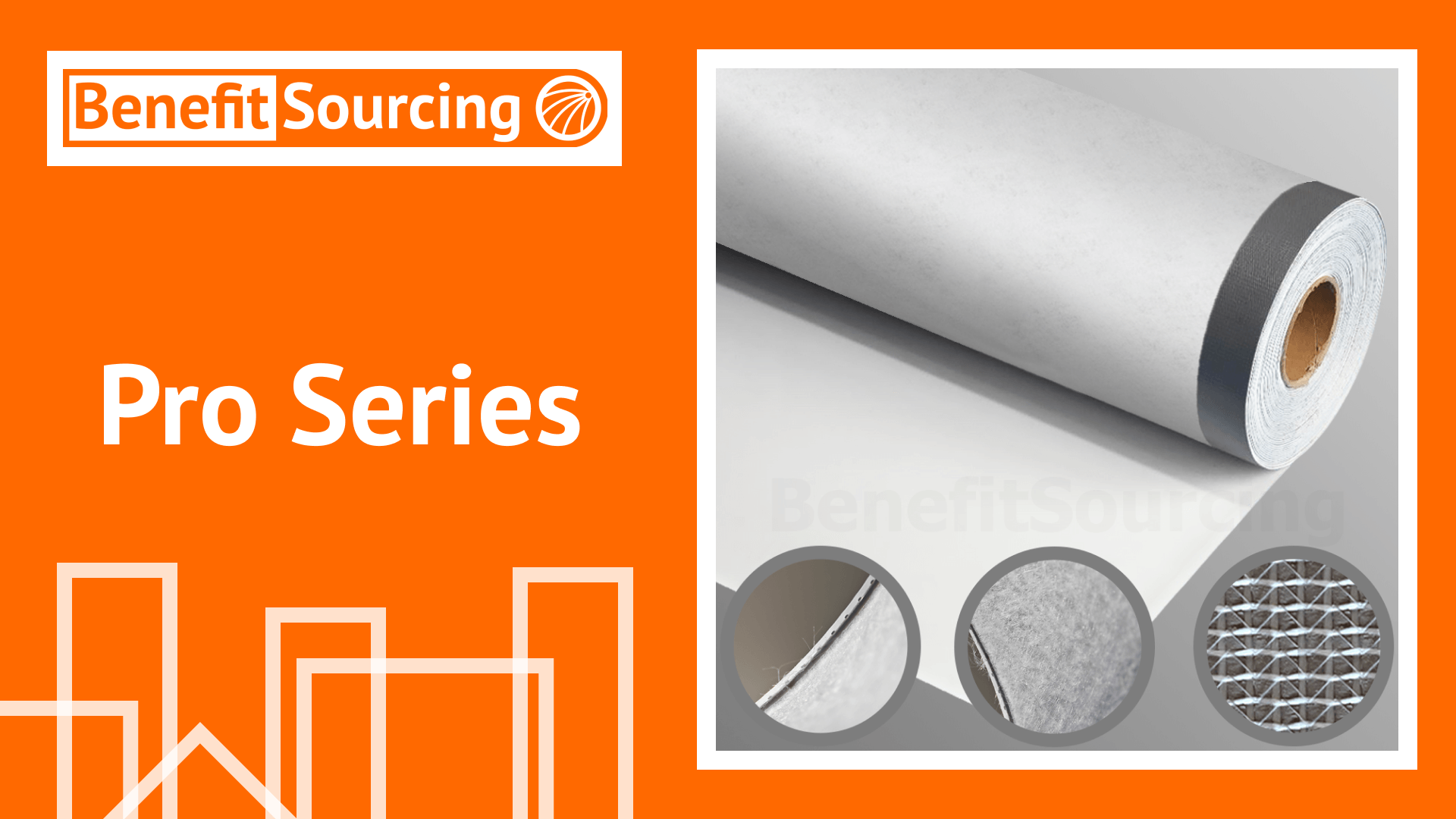
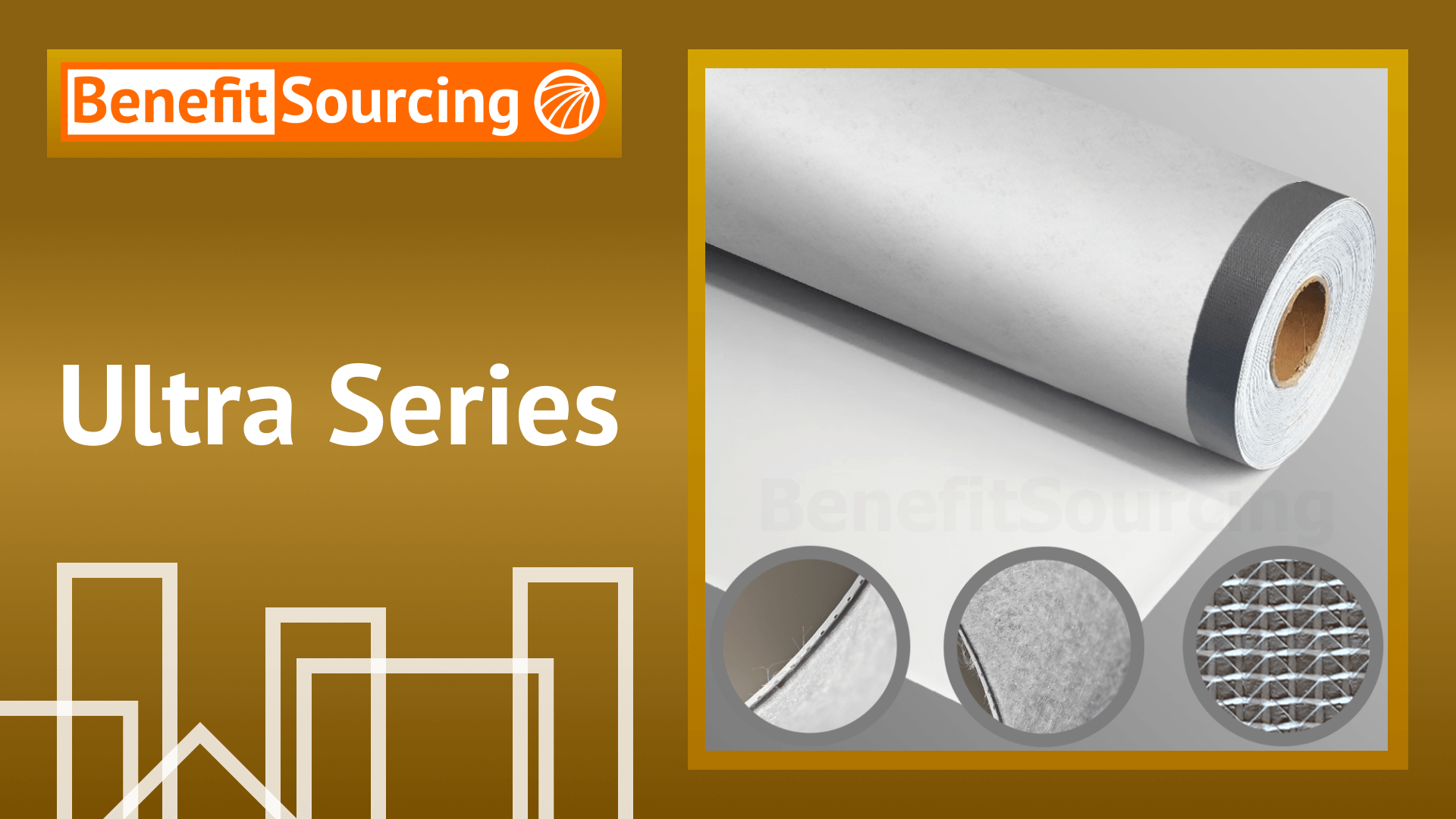
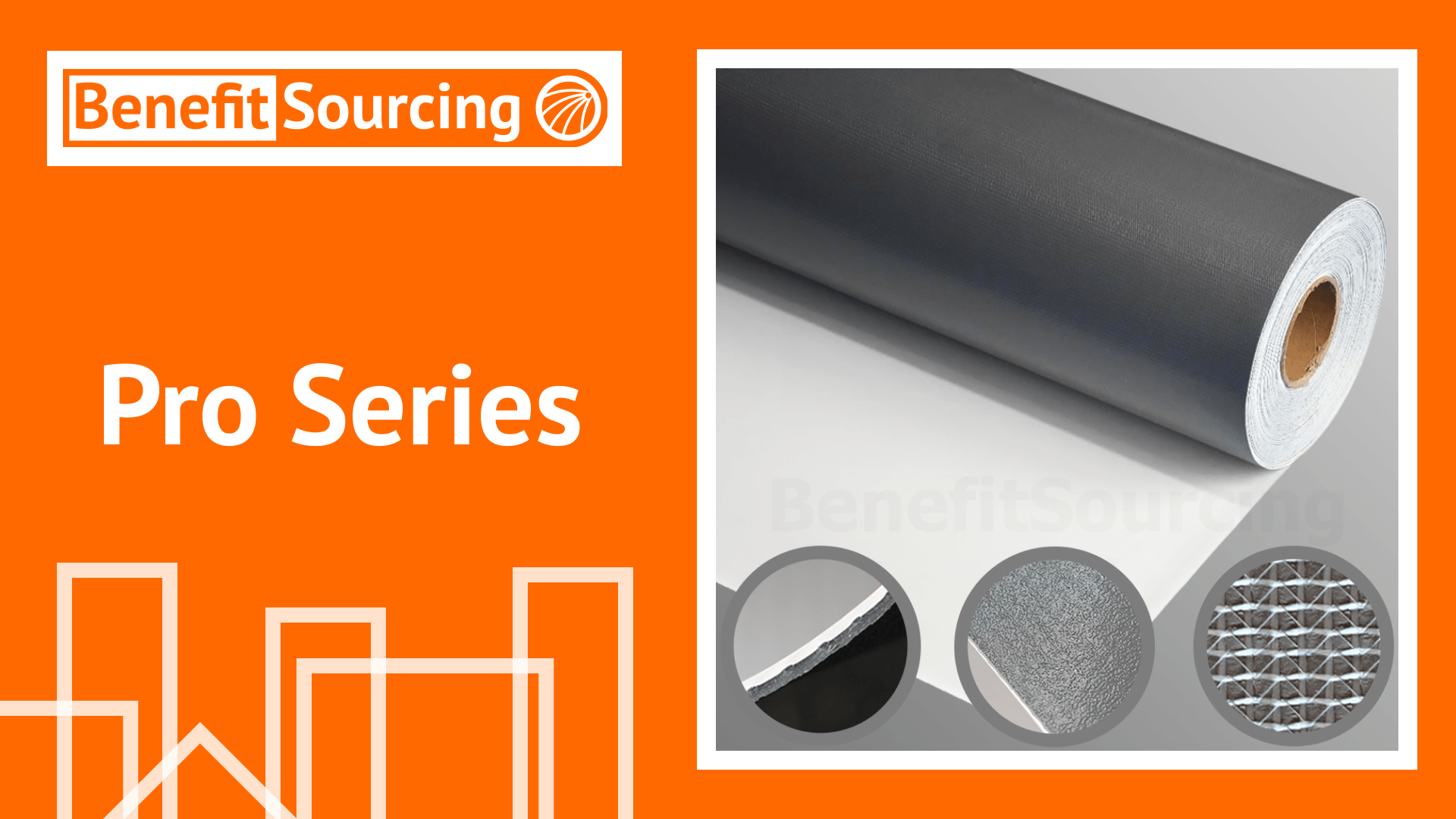
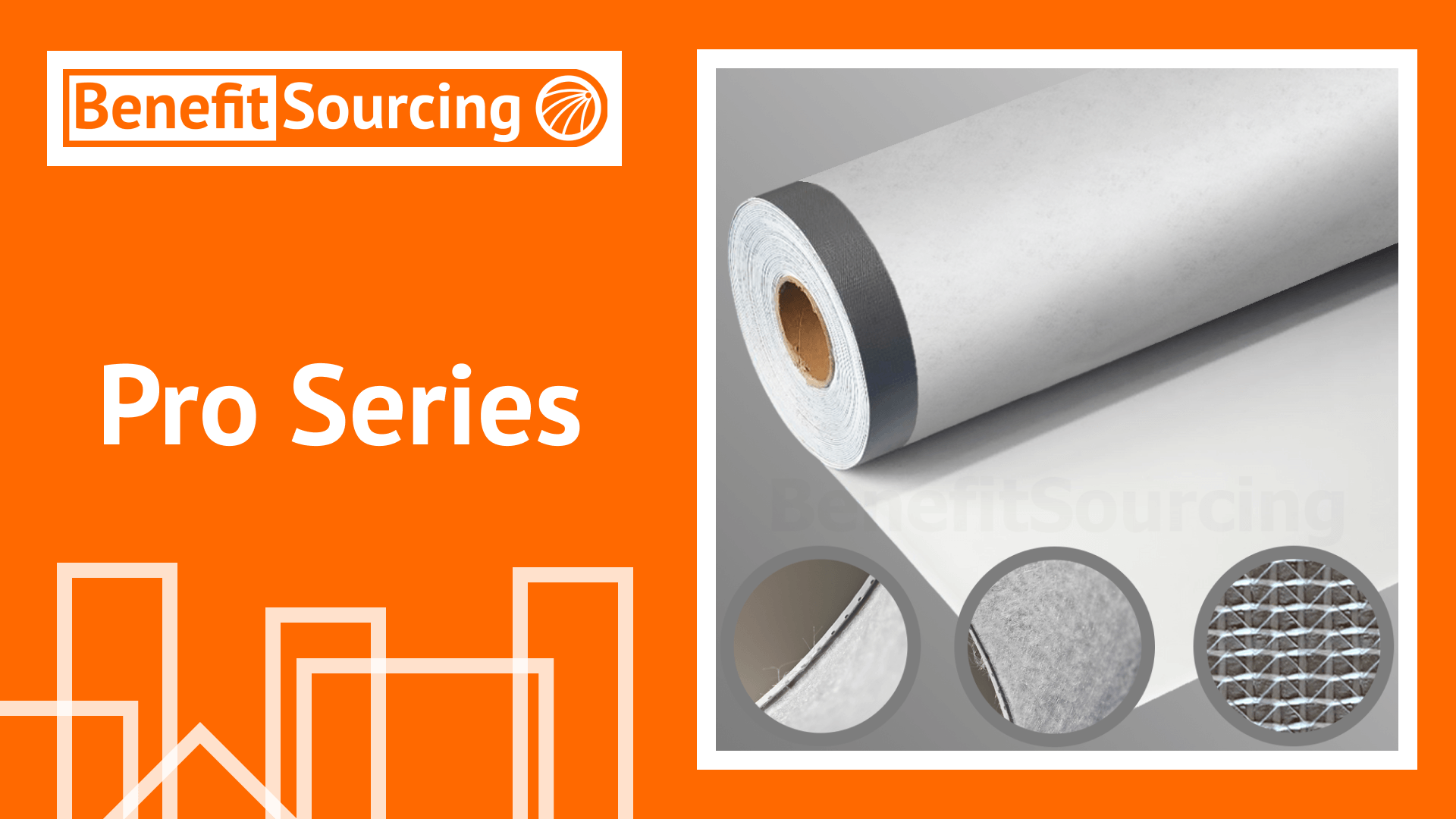
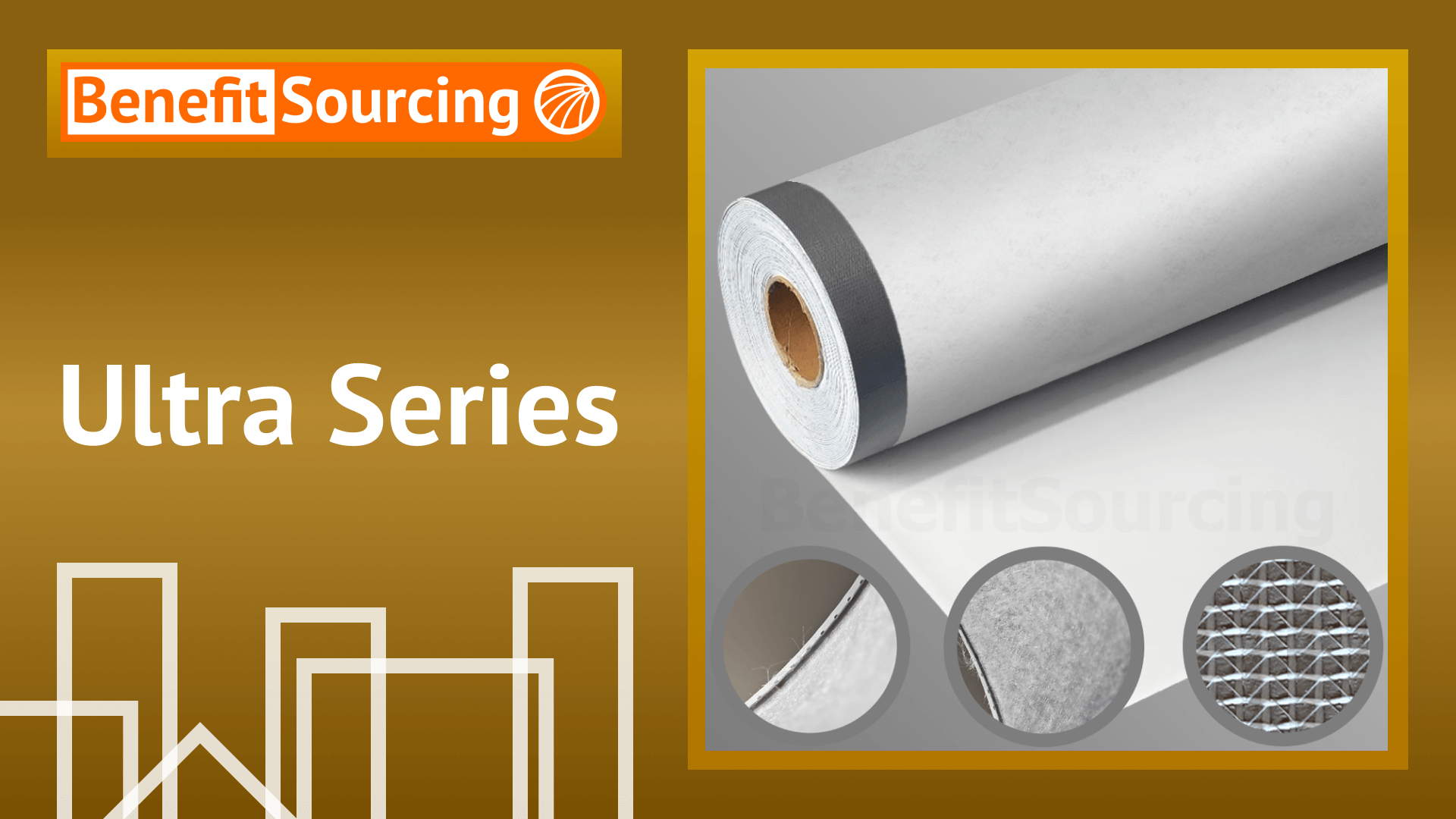
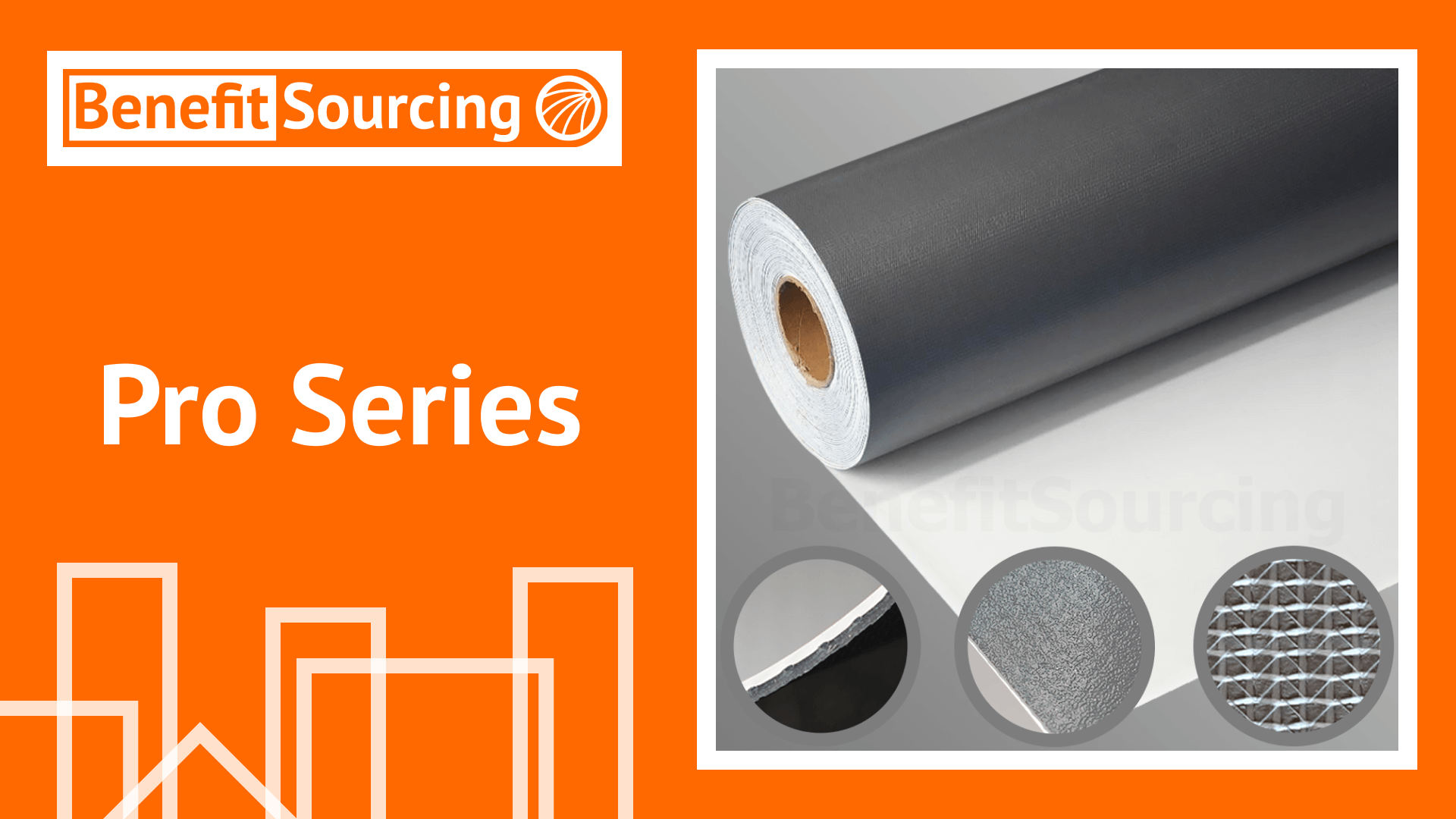
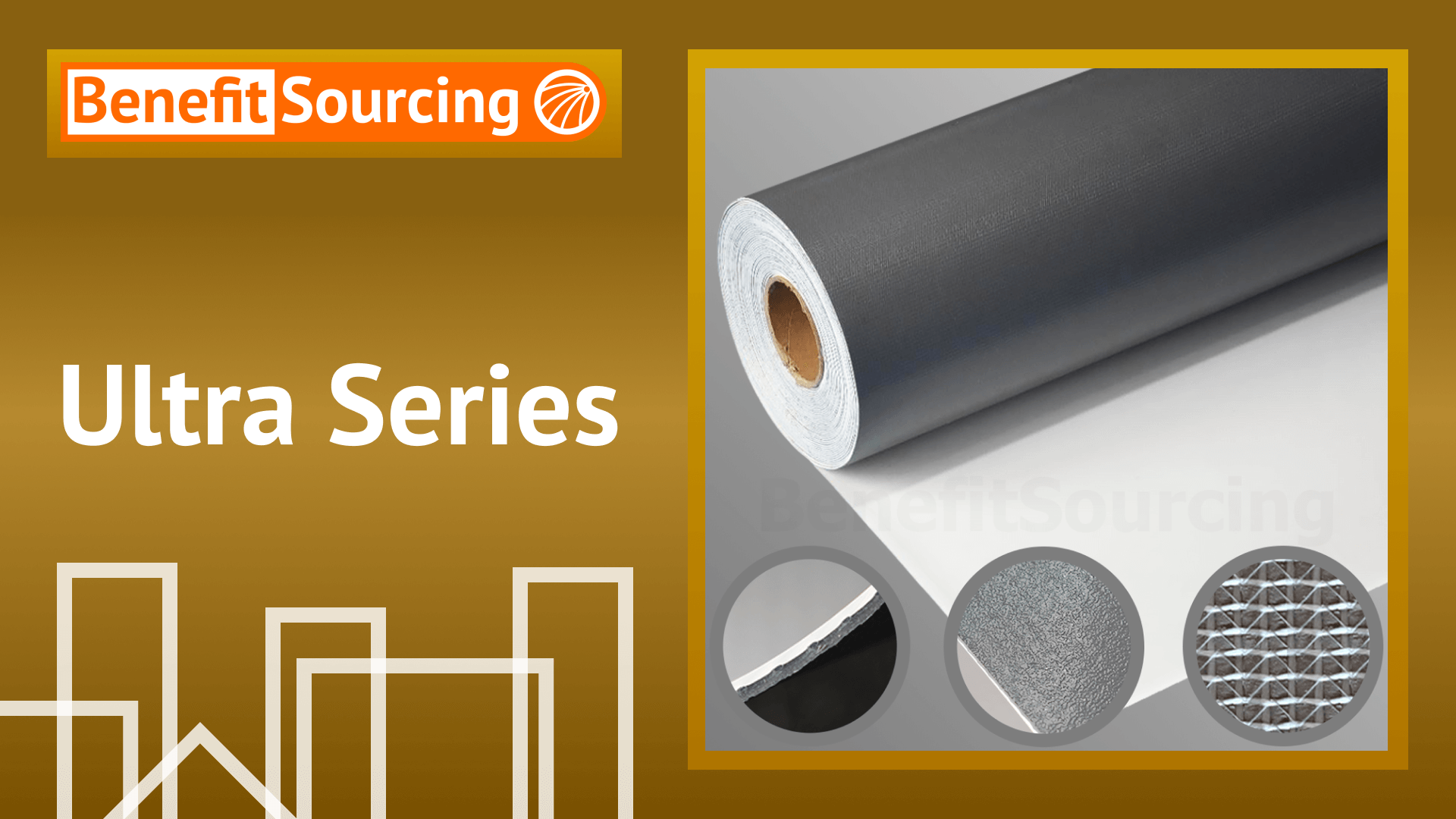
PVC (polyvinyl chloride) and TPO (thermoplastic polyolefin) roofing membranes are widely used in commercial and industrial applications due to their durability, energy efficiency, and resistance to environmental stressors. However, like all roofing systems, they require proactive maintenance to maximize their lifespan, which typically ranges from 20 to 30 years when properly cared for. Below is an in-depth exploration of common maintenance challenges and actionable strategies for preserving these membranes.
Seams – the welded or adhesive-bonded joints between membrane sheets – are the most vulnerable points in single-ply roofing systems. Improper installation (e.g., insufficient heat during thermal welding or incorrect adhesive application) weakens seam integrity over time. Environmental factors like thermal expansion/contraction and wind uplift exacerbate stress on seams.
Mechanical damage from foot traffic, falling debris, or equipment installation (e.g., HVAC units) can compromise the membrane. TPO membranes, while resistant to abrasion, are softer than PVC and more prone to cuts from sharp objects.
Algae, moss, or fungi may develop on membranes in humid climates or shaded areas. While PVC contains biocides to inhibit growth, TPO lacks such additives, making it more susceptible. Organic growth traps moisture, accelerating degradation.
PVC and TPO expand and contract with temperature fluctuations. Over time, inadequate allowances for thermal movement cause wrinkles, fishmouths (raised membrane edges), or stress cracks.
PVC membranes are resistant to most chemicals but degrade when exposed to grease, oils, or solvents. TPO is vulnerable to acidic substances and certain hydrocarbons. Chemical exposure often occurs near exhaust vents or industrial facilities.
While PVC/TPO membranes are water-resistant, standing water exceeding 48 hours accelerates wear. Debris-clogged drains or inadequate slope design are common culprits.
Although both materials include UV inhibitors, prolonged exposure thins the membrane and reduces flexibility. Reflective coatings on TPO degrade faster in high-sun regions.
While minor repairs (e.g., patching small punctures) can be DIY projects, complex issues require expert intervention:
Certified contractors use specialized tools (e.g., electric seam testers, dielectric meters) to diagnose hidden problems and ensure repairs comply with industry standards such as ASTM D6631 for TPO and ASTM D4434 for PVC.
Regular maintenance not only extends the service life of PVC/TPO roofing membranes but also preserves energy efficiency and waterproofing performance. By integrating inspection, cleaning, and timely repairs into a structured maintenance plan, building owners can avoid costly premature replacements and maintain compliance with warranty requirements.
Common maintenance issues of PVC/TPO roofing membrane – How to maintain and care is part of our roofing membrane faq knowledge series and explains practical roofing membrane information for product selection, installation, or project planning.
This article is useful for roofing contractors, waterproofing companies, specifiers, and project teams that need clearer membrane guidance before product selection or inquiry.
Use the contact form on this page to discuss related PVC or TPO membrane products, request a Technical Data Sheet (TDS), or ask about OEM and project requirements.
Need product data, sourcing support, or OEM guidance?