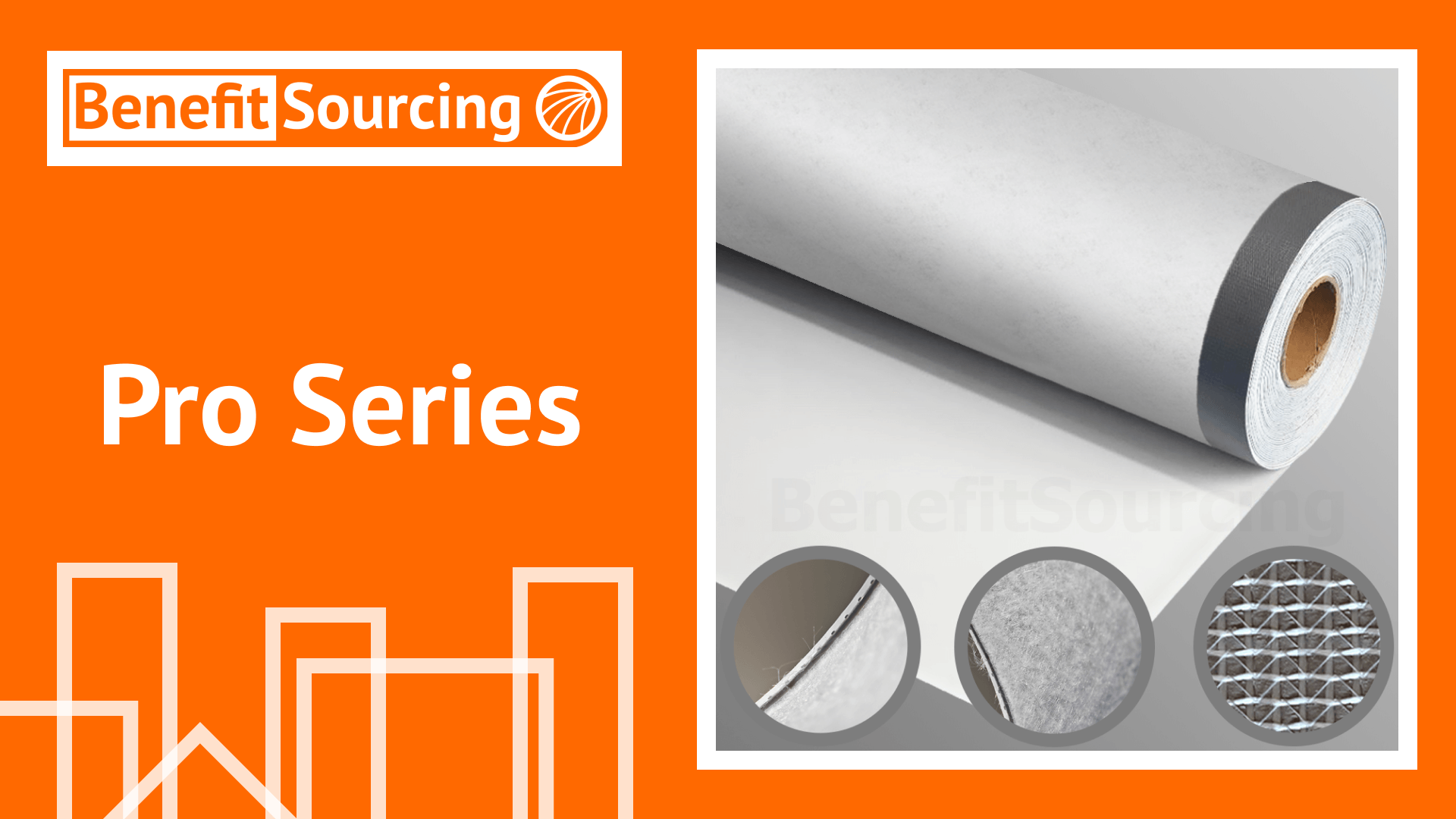
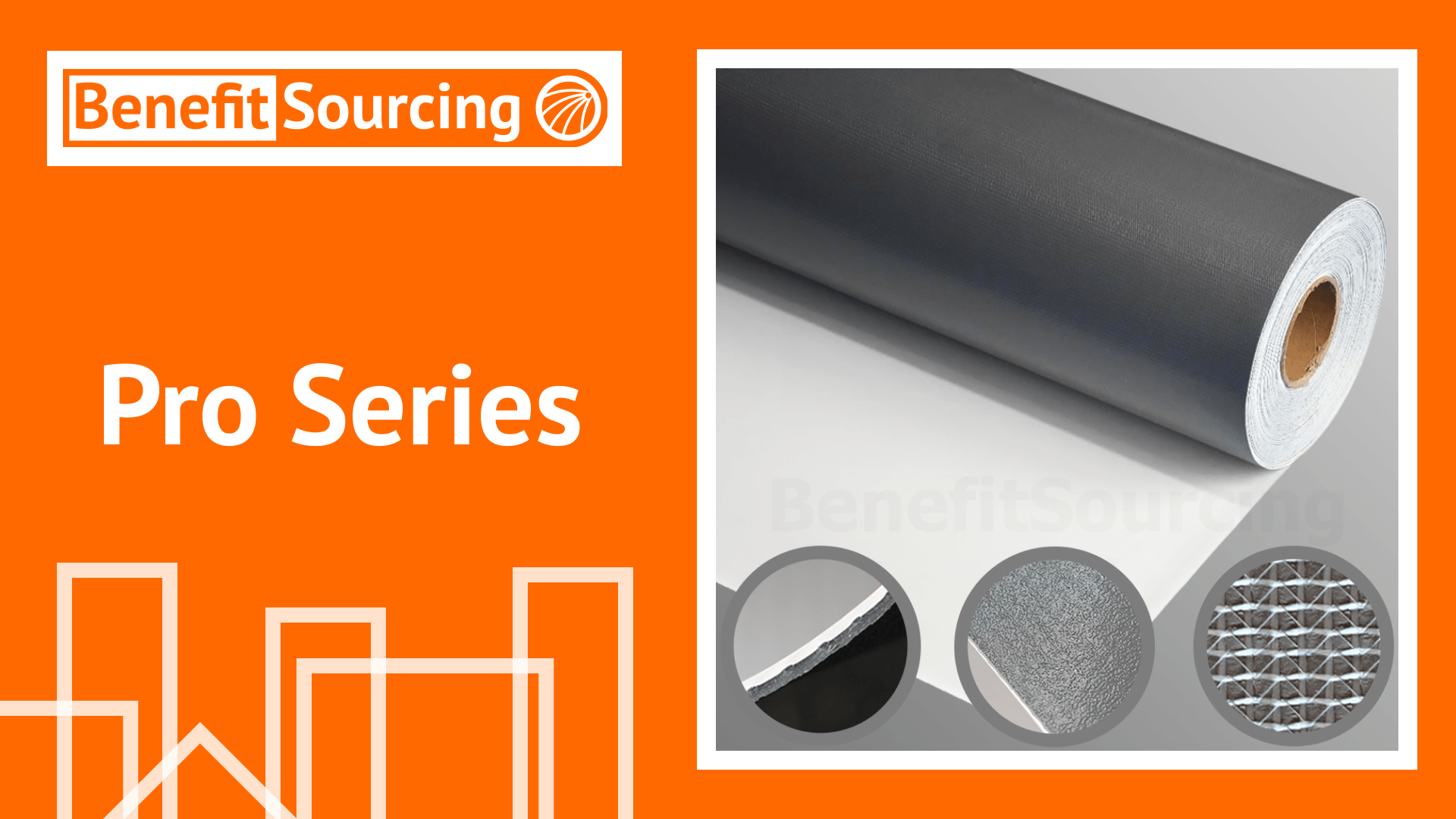
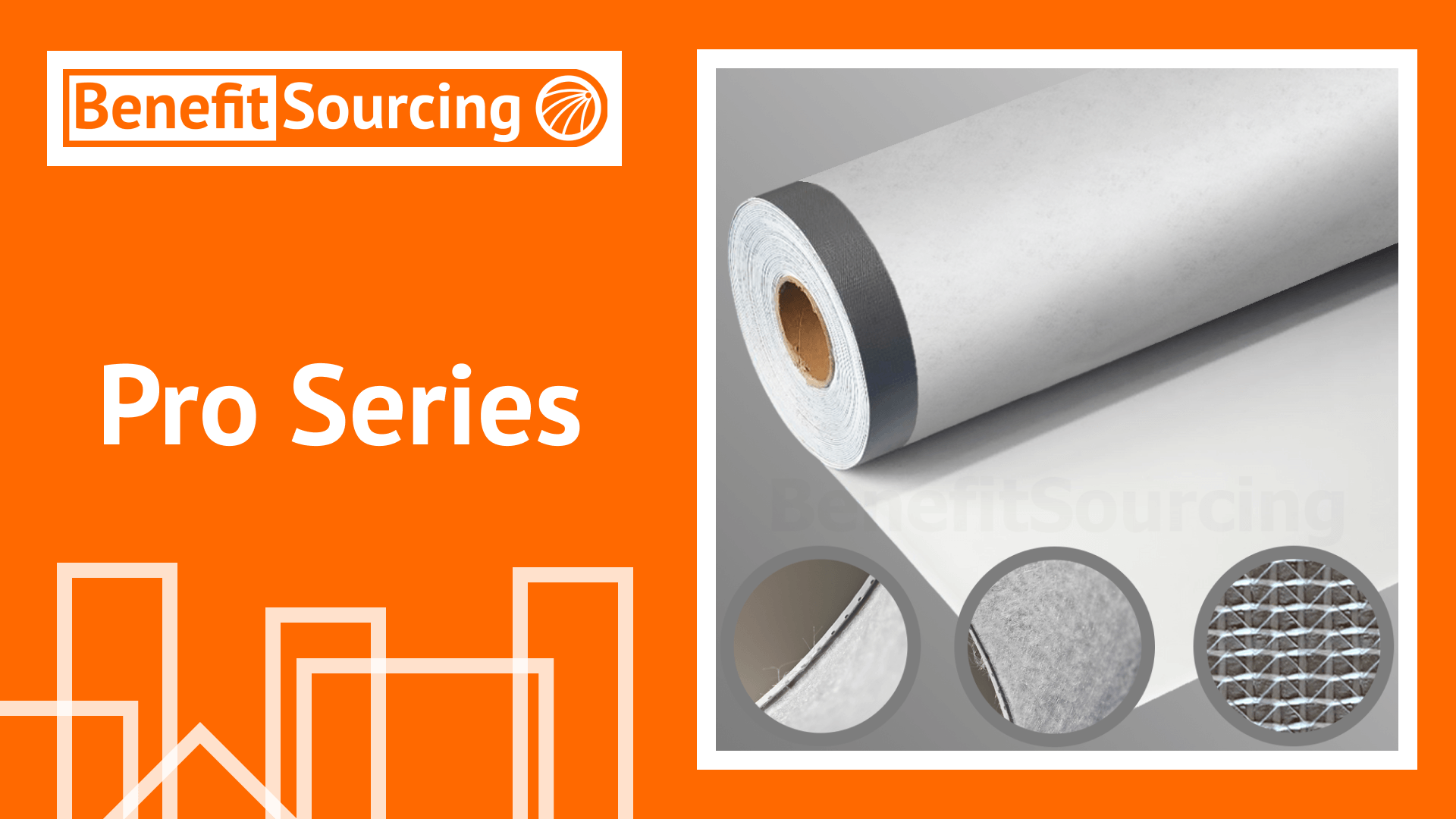
Roofing membranes made from PVC (polyvinyl chloride) and TPO (thermoplastic polyolefin) are widely used in commercial and industrial roofing due to their durability, energy efficiency, and resistance to environmental stressors. However, like all roofing systems, they require regular maintenance and eventual replacement. Understanding common maintenance issues and recognizing the signs that indicate a full reinstatement is necessary can extend the lifespan of these membranes and prevent costly interior damage.
Material Degradation Over Time
Both PVC and TPO membranes degrade gradually due to environmental exposure:
- UV Radiation: Prolonged sunlight exposure weakens polymer chains. TPO membranes are particularly susceptible to UV degradation at seams and edges if not properly welded. PVC membranes may experience plasticizer loss, leading to brittleness.
- Thermal Cycling: Repeated expansion and contraction from temperature fluctuations can cause stress cracks, especially around penetrations (vents, pipes) or seams.
- Chemical Damage: Oil, grease, or industrial pollutants can soften PVC membranes, while acidic or alkaline residues may accelerate TPO degradation.
Visible indicators include:
- Fading or discoloration (more pronounced in lighter-colored membranes)
- Surface cracking or “alligatoring” (network of small cracks)
- Loss of flexibility (tested by bending a sample; a cracking sound indicates plasticizer loss in PVC)
Seam Failures
Improperly welded seams account for 60-70% of membrane failures, according to industry studies. Common causes:
- Insufficient Heat During Installation: Weak welds from incorrect temperature settings or welding speed.
- Contaminated Surfaces: Dust, moisture, or debris between overlapping sheets during heat welding.
- Structural Movement: Substrate shifting due to settling or thermal expansion can pull seams apart.
Early-stage seam issues often manifest as:
- Visible gaps or lifting at seams
- Blistering near seam lines (trapped moisture expanding)
- Adhesive residue from temporary fixes
Ponding Water
While PVC/TPO membranes are water-resistant, standing water for over 48 hours can lead to:
- Membrane Erosion: Abrasion from debris in stagnant water wears down the surface.
- Biological Growth: Algae or moss colonizing the membrane, secreting acids that degrade polymers.
- Substrate Damage: Prolonged moisture penetration into insulation layers, causing rot or compression.
Critical ponding thresholds:
- PVC: ≤1/4” water depth over 100 sq.ft. area
- TPO: ≤1/8” due to lower puncture resistance
Mechanical Damage
Roof traffic (maintenance crews, HVAC repairs) and falling debris cause:
- Punctures: Sharp tools or hail stones exceeding 1.5” diameter can penetrate membranes.
- Scuffing: Repeated foot traffic abrades reflective coatings, reducing solar reflectance by up to 40%.
- Improper Repairs: Non-compatible patching materials (e.g., asphalt-based products on TPO) create chemical incompatibility.
Wind Uplift Vulnerabilities
Loose or poorly anchored membranes may billow during high winds, leading to:
- Fastener back-out (for mechanically attached systems)
- Tearing at perimeter flashings
- Adhesive failure in fully adhered systems
Risk factors:
- Winds exceeding 60 mph (as per ASTM D6631 testing standards)
- Insufficient edge metal detailing
- Aged adhesives losing bond strength
When Maintenance Transitions to Reinstallation
1. Material Fatigue Beyond Repair
- PVC membranes with plasticizer loss exceeding 25% (measured via Shore A hardness tests increasing by 15 points from original spec).
- TPO membranes showing >10% surface area with polymer cracking (assessed via infrared spectroscopy).
2. Recurrent Leaks
Multiple failed repair attempts (over 3-4 leaks per 1,000 sq.ft. annually) suggest systemic issues like:
- Substrate deterioration under the membrane
- Widespread seam failures
- Chemical contamination degrading the membrane
3. Structural Changes
Roof reinstatement becomes necessary when:
- New HVAC units or solar panels require reconfiguration of penetrations.
- Building codes mandate higher wind uplift ratings (e.g., post-hurricane regulation updates).
- Insulation R-values need upgrading, requiring full system removal.
While PVC/TPO membranes can last 25-30 years, performance benchmarks indicate reinstatement timelines:
- PVC: Reinstall if dielectric testing shows resistivity below 10^8 ohm-cm (indicates anti-static additives depletion).
- TPO: Replace when tensile strength drops below 100 psi (measured via ASTM D412) or thickness reduces by >15%.
Proactive Maintenance Strategies
- Semi-Annual Inspections: Focus on seams, flashings, and areas near equipment. Use drones for large rooftops.
- Cleaning Protocols: Remove debris with soft-bristle brooms; pressure washing limited to <300 psi to avoid membrane damage.
- Elastomeric Coatings: Apply silicone or acrylic coatings every 8-10 years to restore UV protection.
- Moisture Surveys: Conduct infrared thermography annually to detect hidden wet insulation.
A study by the National Roofing Contractors Association (NRCA) found that membranes receiving biannual maintenance have 35-45% longer service lives than neglected systems. Budgeting 15-25% of the original installation cost for ongoing maintenance typically delays reinstatement by 7-12 years, providing significant long-term savings.