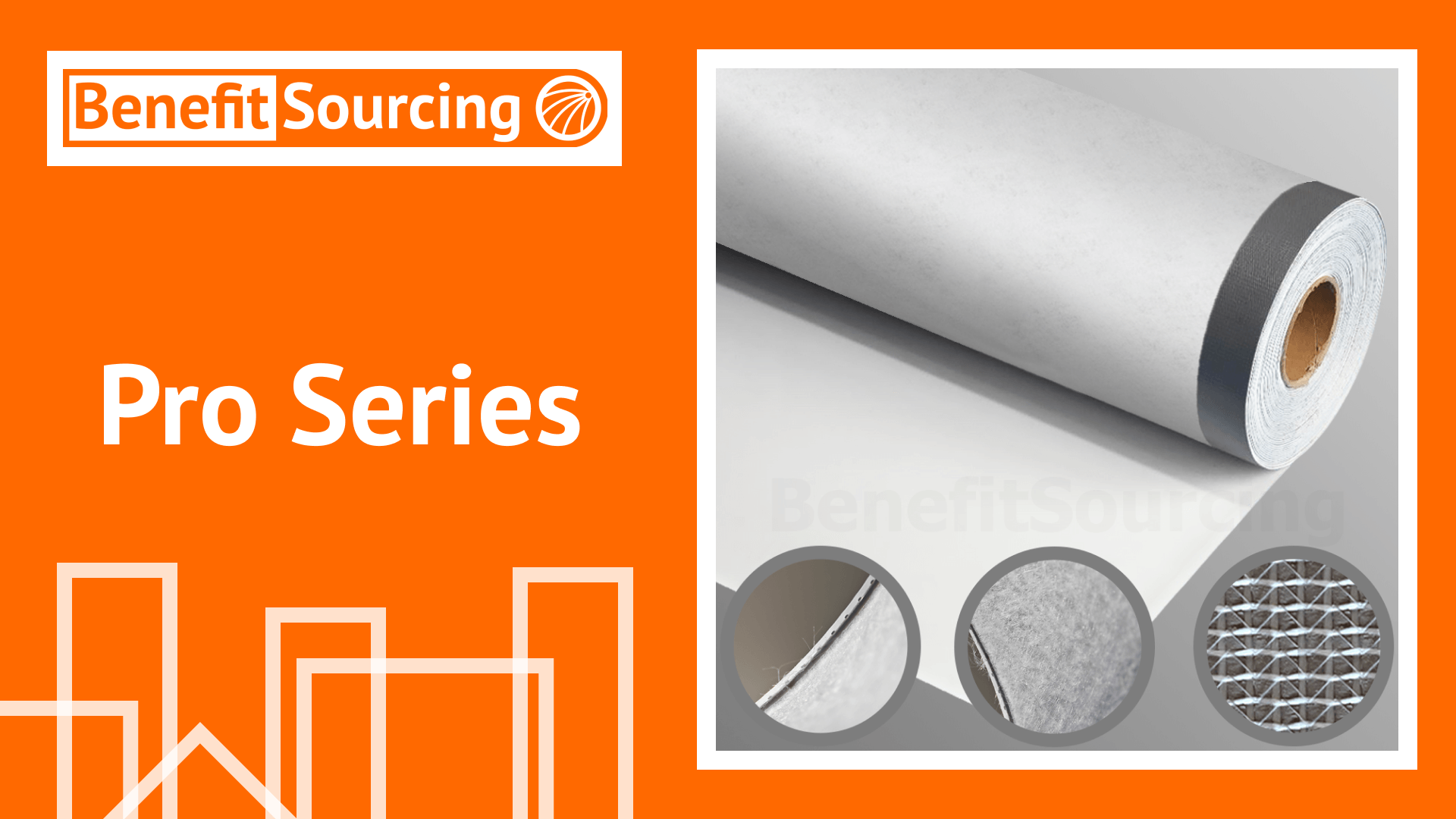
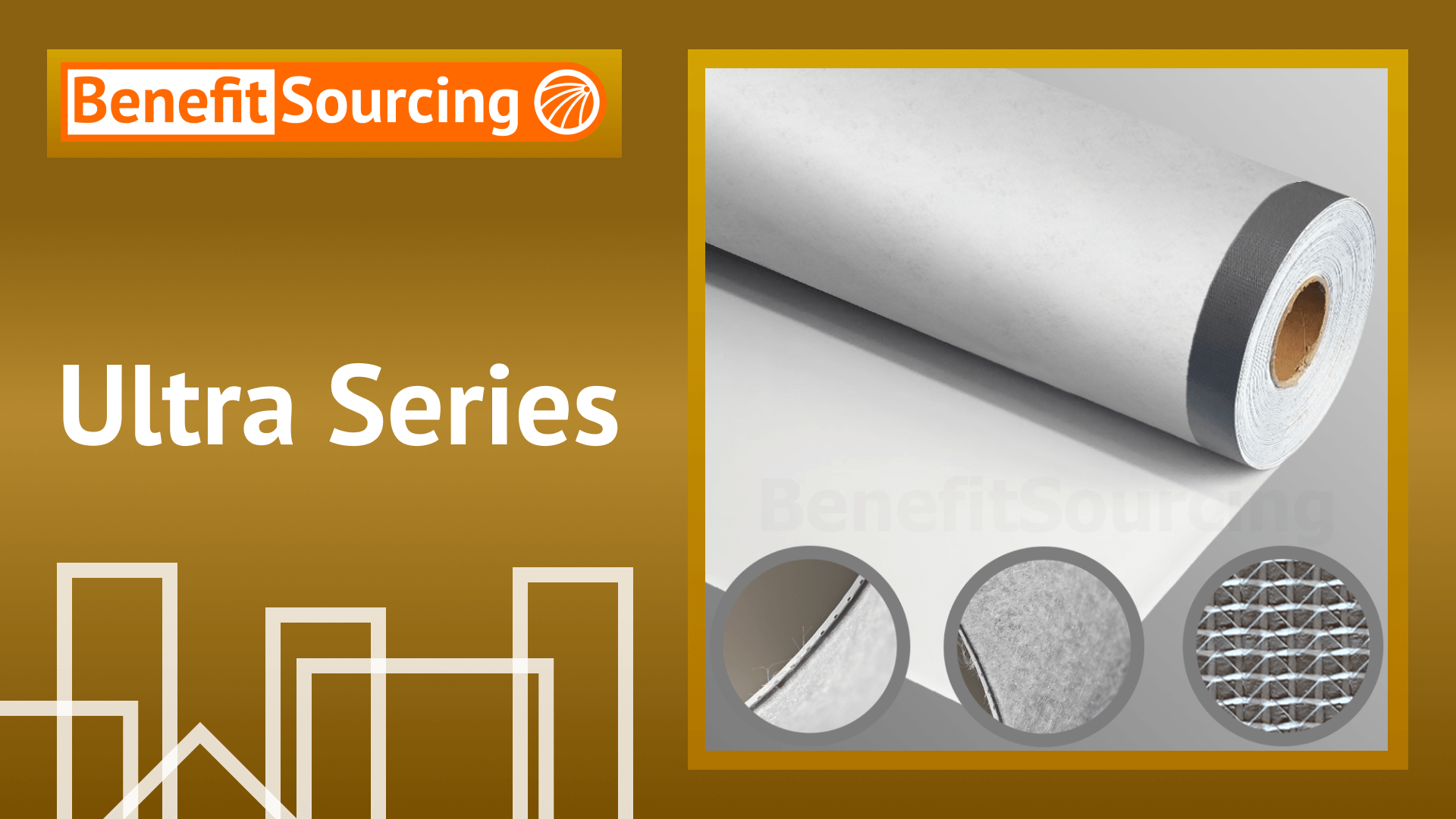
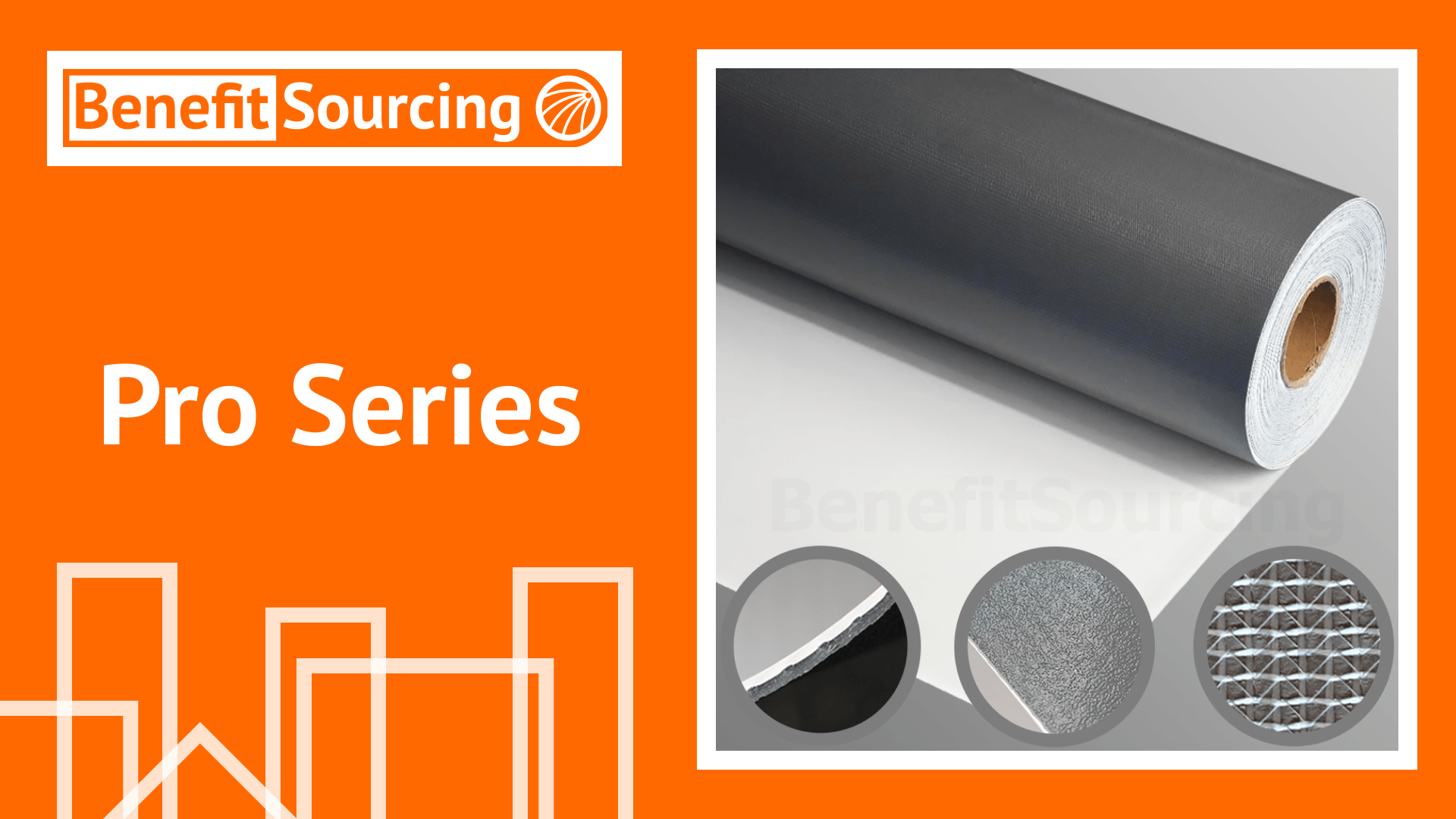
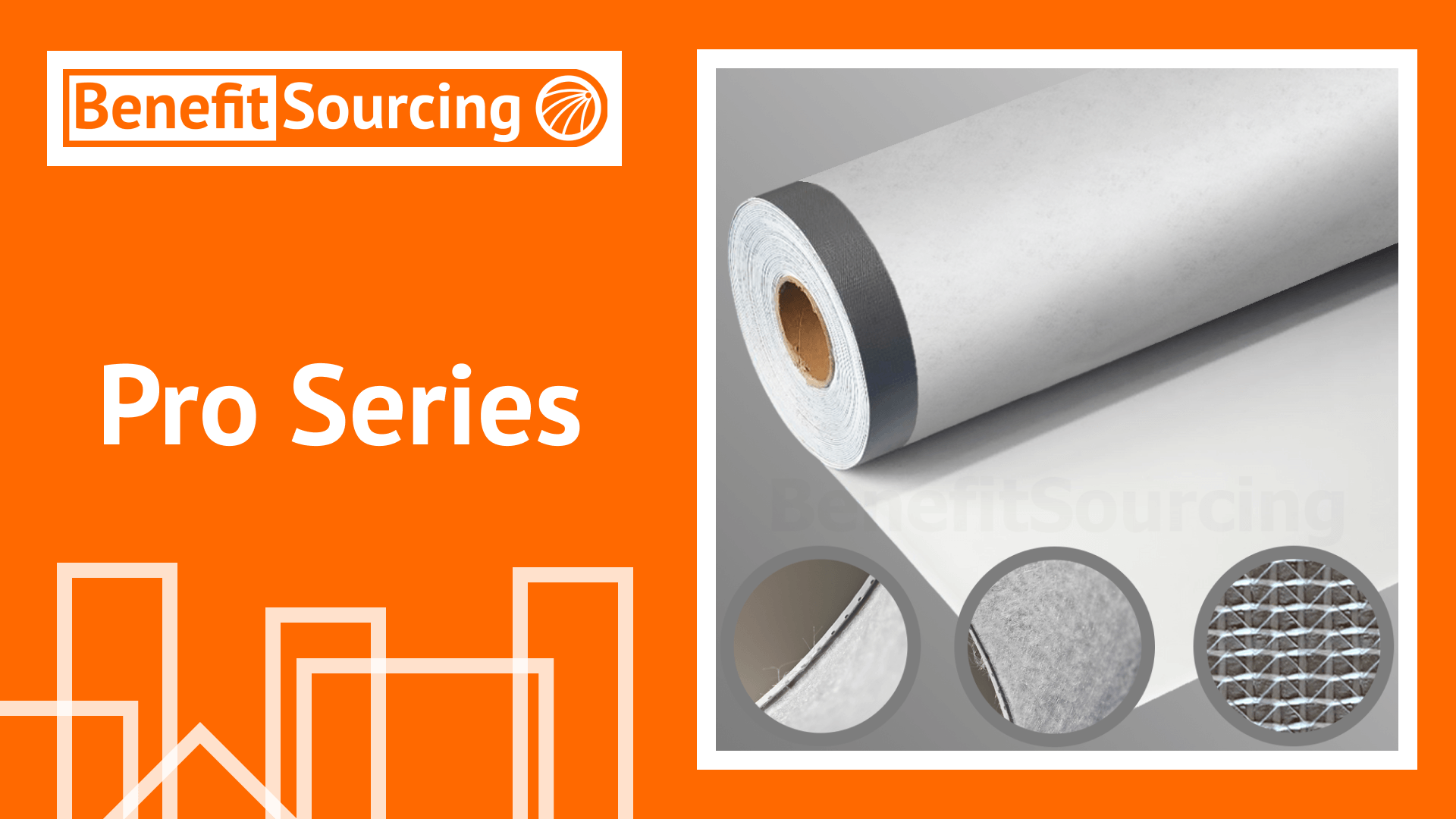
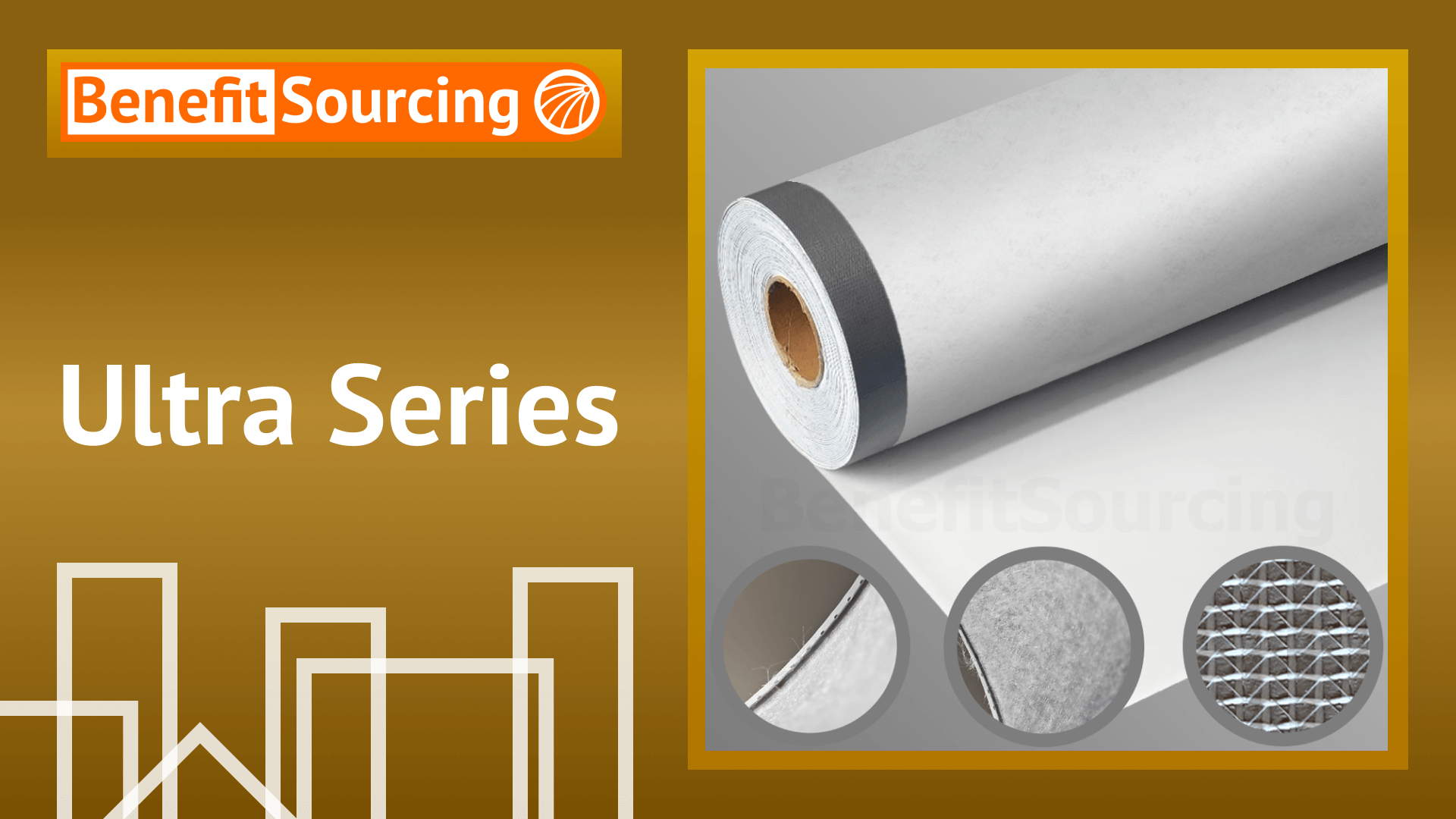
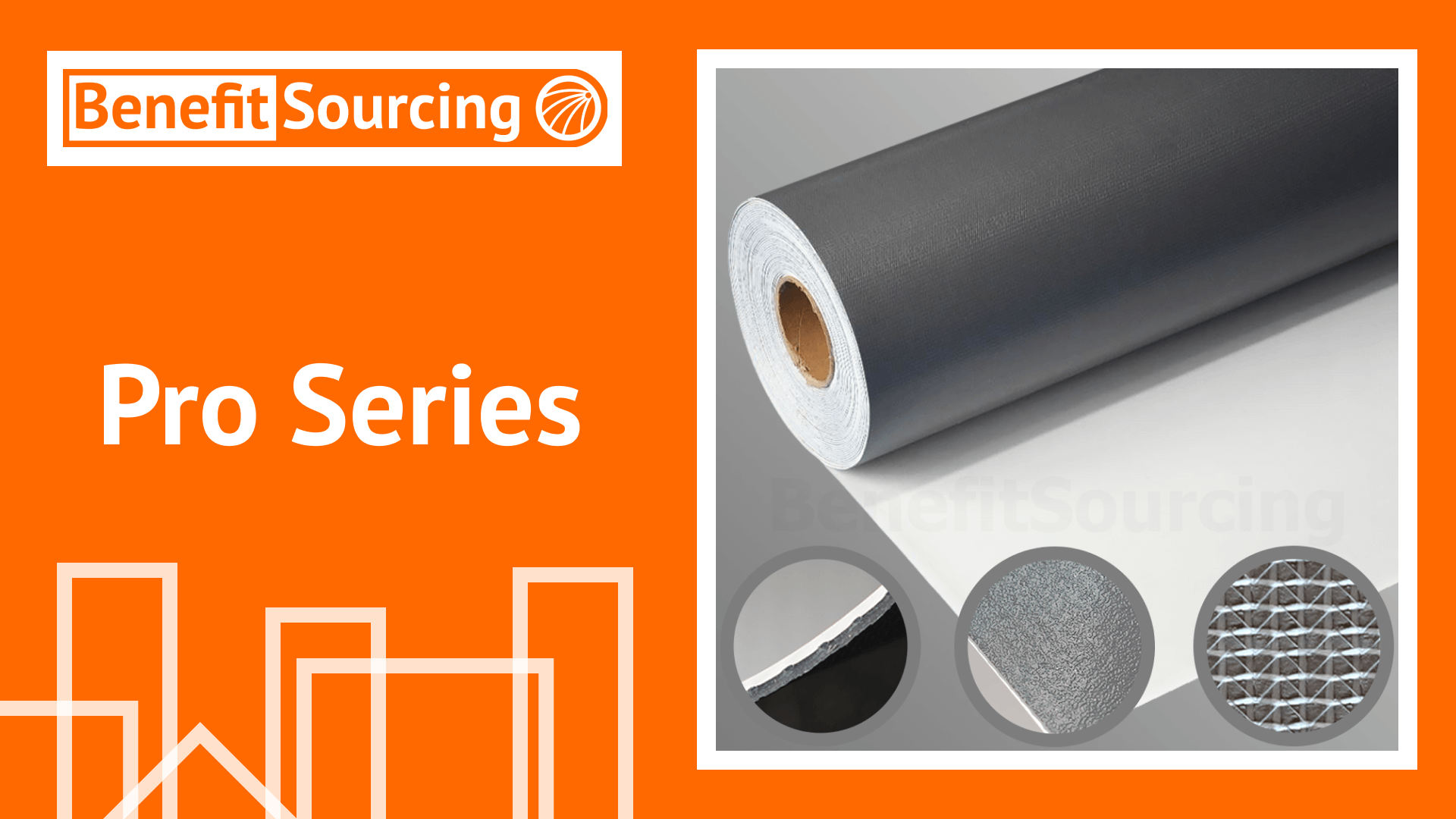
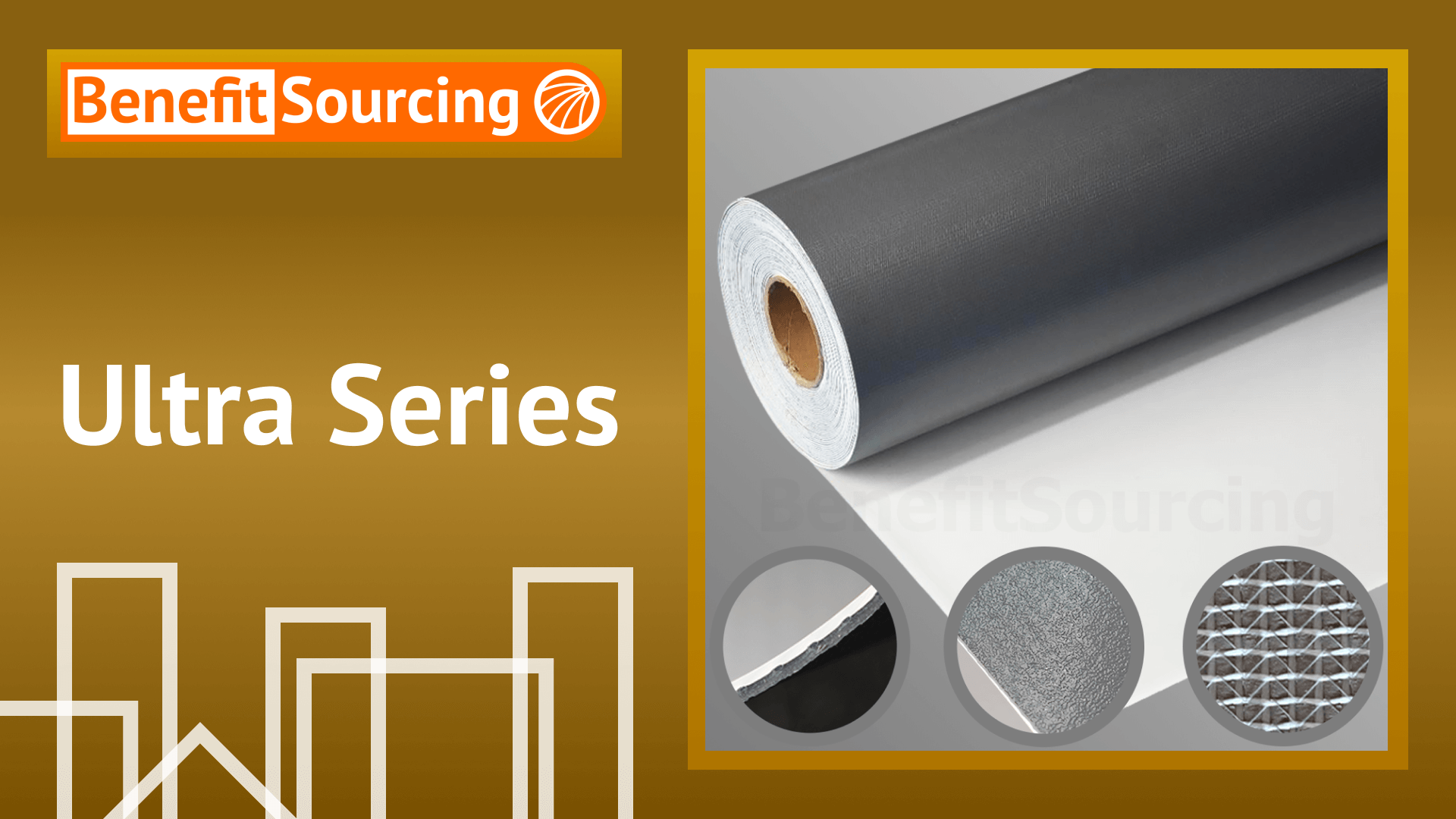
Durable TPO roofing membrane options are usually defined by how well they hold up in real field conditions. A roof does not need durability only in the lab. It needs it on seams, flashings, edges, traffic paths, and exposed sections that keep seeing movement and weather.
For contractors, the value of a durable TPO option is that it gives them a more stable surface to install, maintain, and repair. That matters on projects where the roof will be worked on repeatedly over its life.
The main factors are:
Membrane construction
Reinforced or heavier constructions usually handle field stress better.
Seam stability
Durable TPO should support clean welding and reliable seam behavior.
Detail performance
Flashings, corners, and terminations should stay manageable and stable.
Weather resistance
The membrane should continue performing under sun, wind, and regular thermal movement.
Durable TPO membranes are a strong fit for:
Those are the jobs where a membrane that stays stable is easier to keep in service.
Durable does not mean maintenance-free. Even a good TPO roof still needs:
If those things are ignored, durability is wasted.
Manufacturers should describe durability in a way that contractors can use. That means talking about seam behavior, detail support, and real maintenance conditions instead of vague claims. Clear guidance helps users choose the right TPO option and maintain it better after installation.
Durable TPO Roofing Membrane Options is part of our roofing membrane faq knowledge series and explains practical roofing membrane information for product selection, installation, or project planning.
This article is useful for roofing contractors, waterproofing companies, specifiers, and project teams that need clearer membrane guidance before product selection or inquiry.
Use the contact form on this page to discuss related PVC or TPO membrane products, request a Technical Data Sheet (TDS), or ask about OEM and project requirements.
Need product data, sourcing support, or OEM guidance?