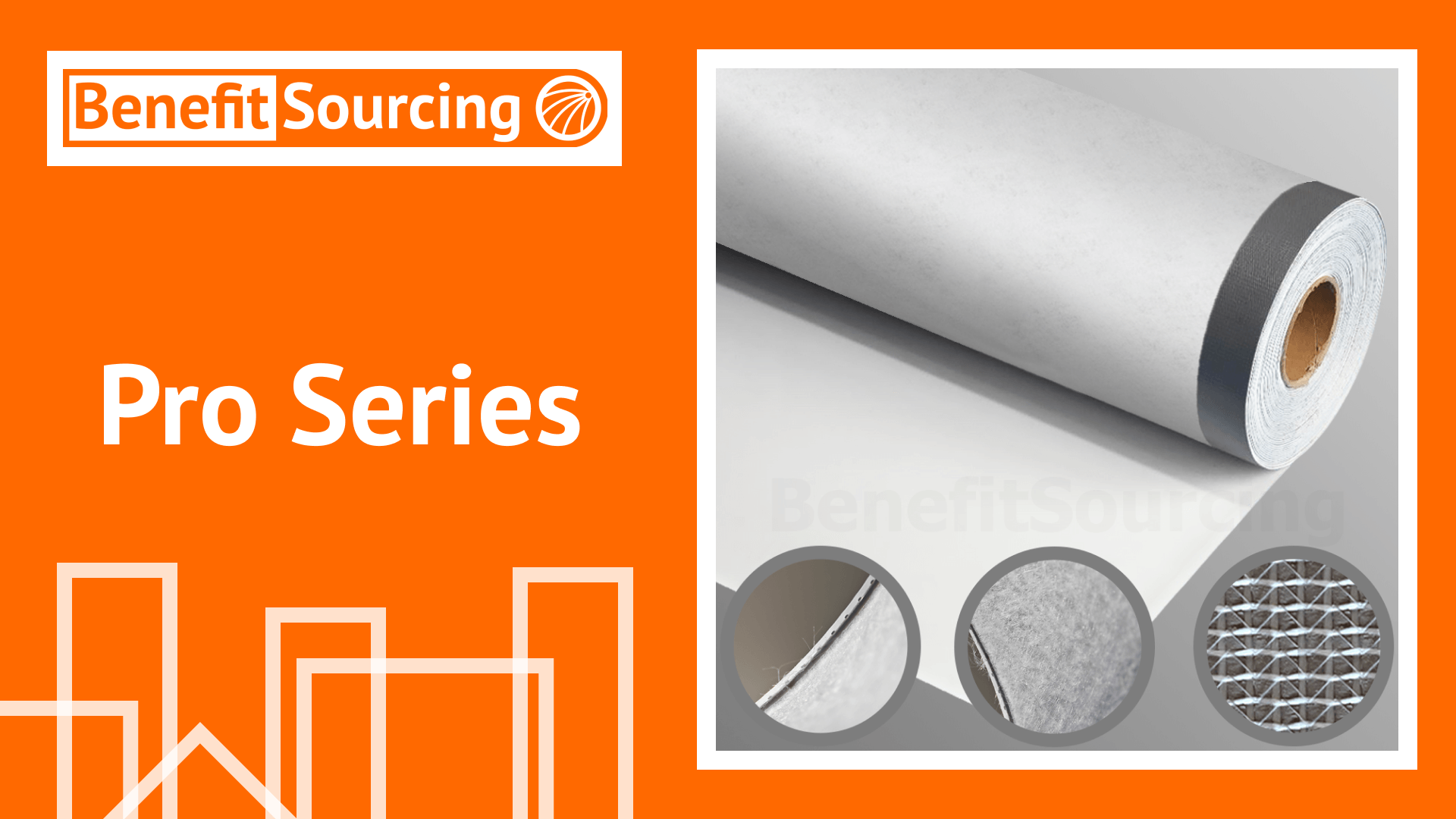
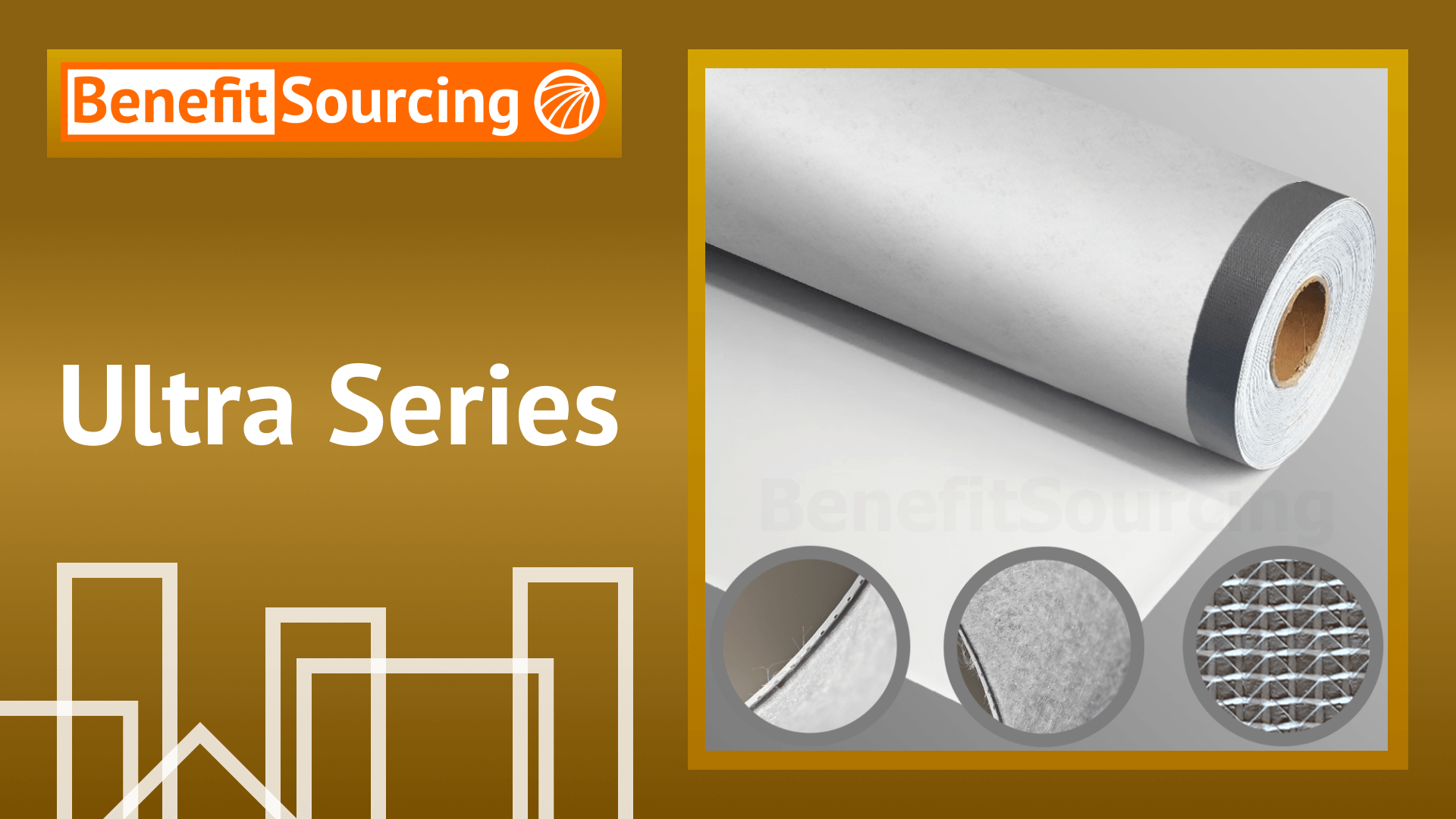
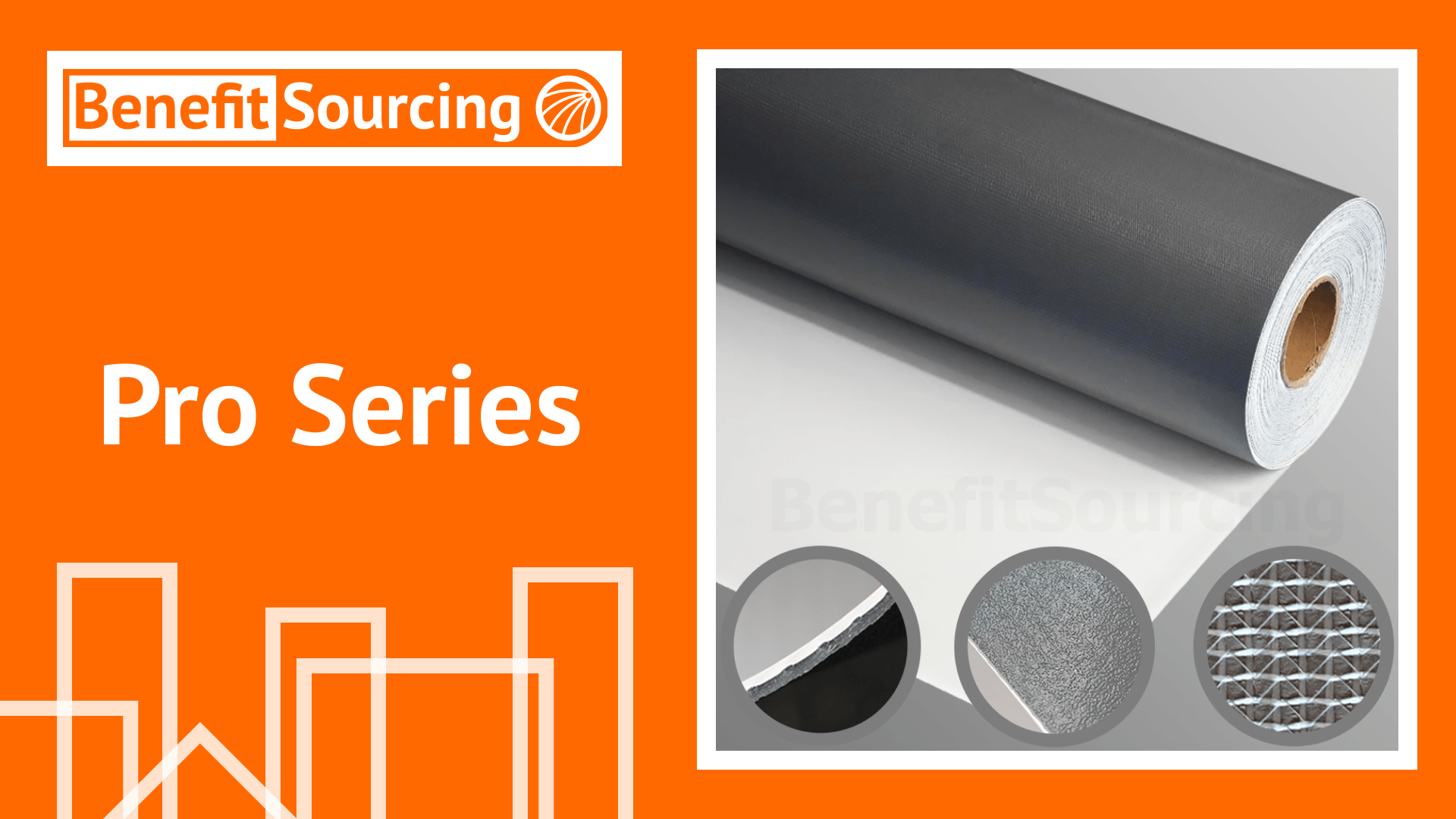
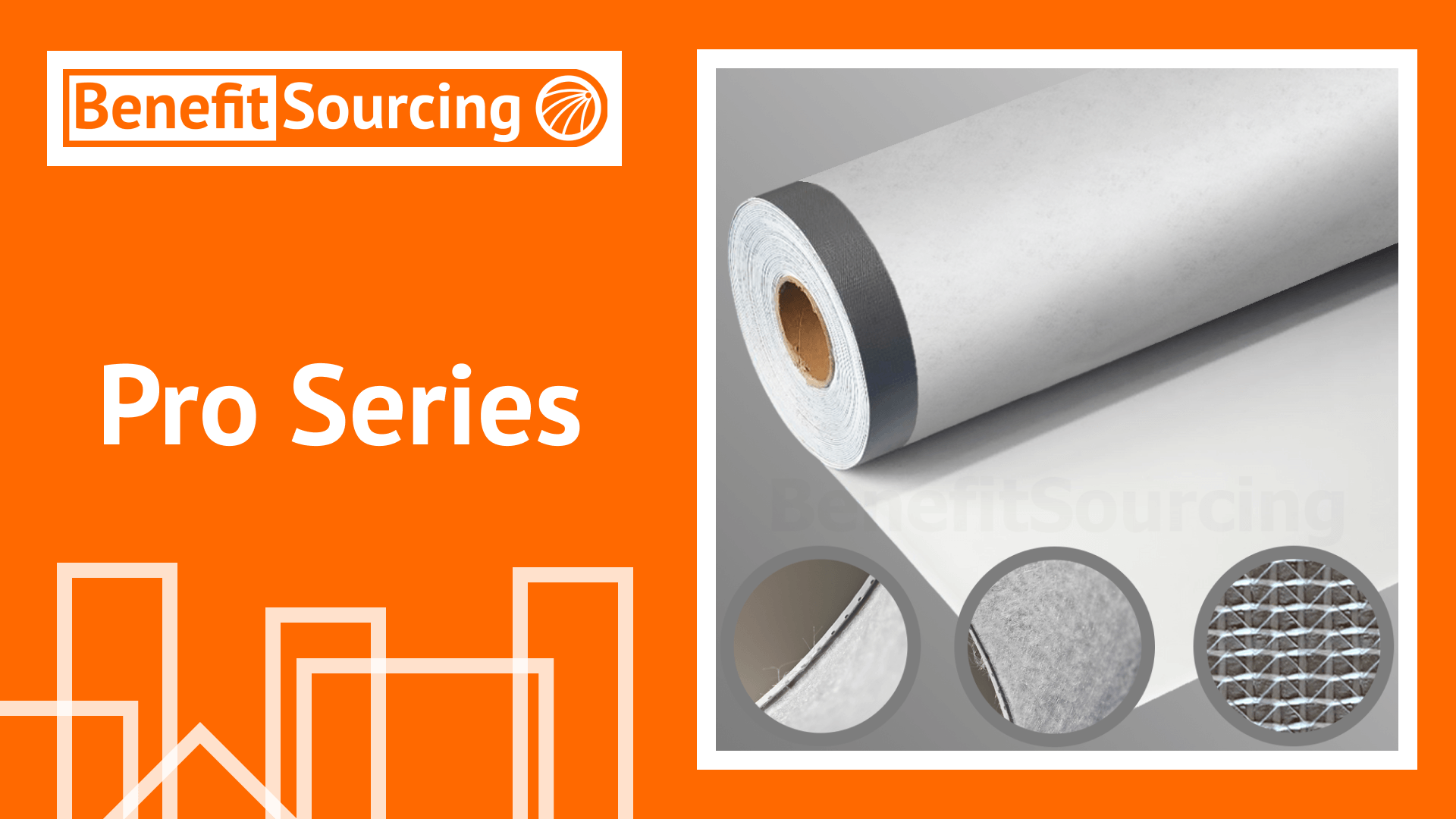
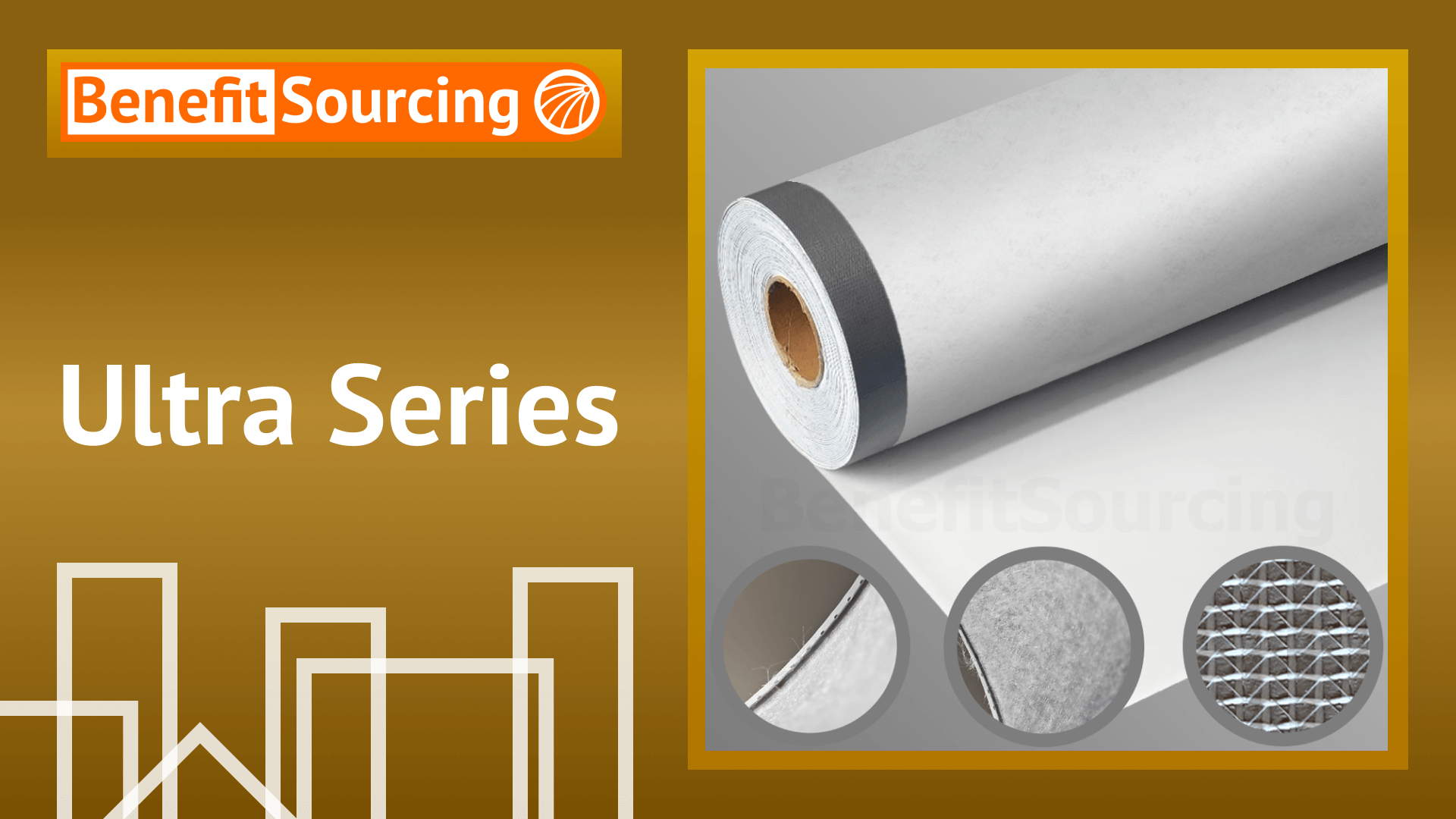
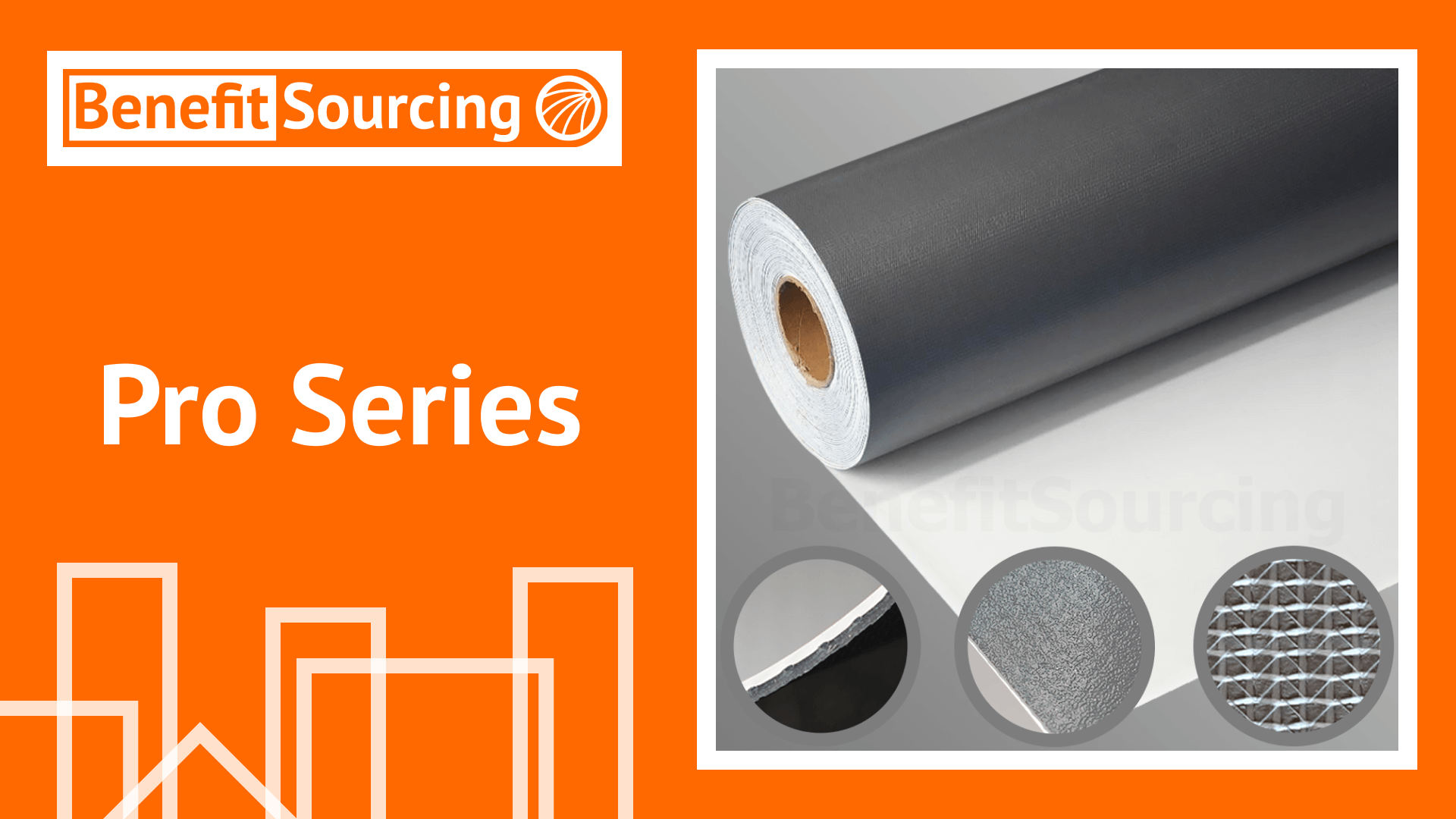
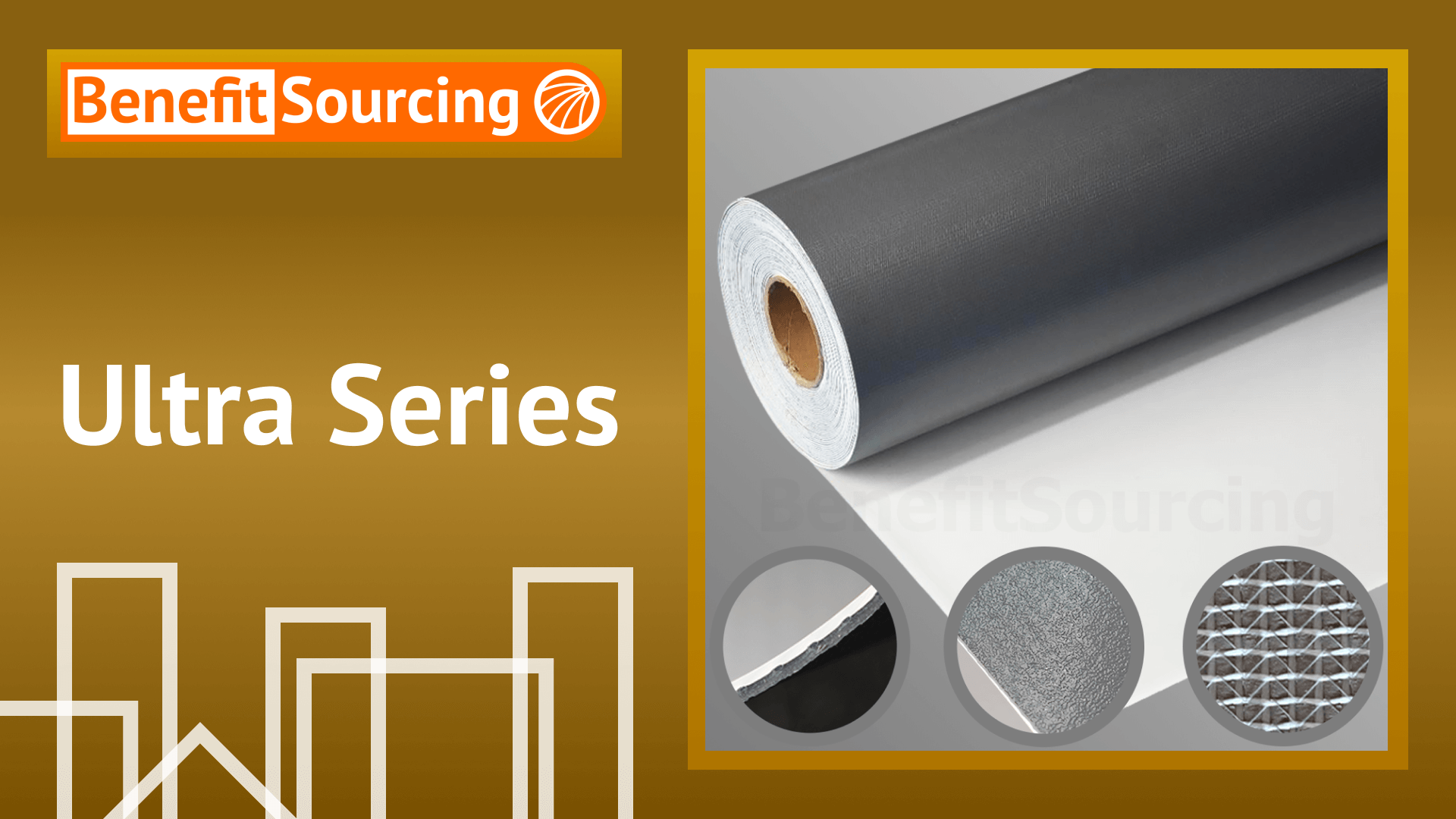
Factory reinforced membrane solutions are designed to give the roof more stability before the product ever reaches the jobsite. In practical terms, reinforcement helps the membrane handle movement, detail stress, and field handling better than a lighter construction that has less support.
For contractors, the value of factory reinforcement is that it can improve confidence in the parts of the roof that work the hardest: seams, corners, flashings, and service zones.
Reinforcement contributes to:
That does not mean the roof can ignore maintenance. It means the membrane has more structure behind it when the roof moves or gets serviced.
Reinforced PVC and TPO products are often a good choice for:
These are the places where roof stress is not occasional. It is part of the roof’s normal life.
Some roof problems can be reduced by good workmanship, but some stress is built into the project from the start. Factory reinforcement helps handle those conditions more consistently because the support is built into the product rather than added later in the field.
Manufacturers should describe reinforced solutions in a way that contractors can use. That means explaining how the membrane behaves at seams and details, how it supports maintenance work, and why it can be a better fit for demanding roof conditions.
Factory Reinforced Membrane Solutions is part of our roofing membrane faq knowledge series and explains practical roofing membrane information for product selection, installation, or project planning.
This article is useful for roofing contractors, waterproofing companies, specifiers, and project teams that need clearer membrane guidance before product selection or inquiry.
Use the contact form on this page to discuss related PVC or TPO membrane products, request a Technical Data Sheet (TDS), or ask about OEM and project requirements.
Need product data, sourcing support, or OEM guidance?