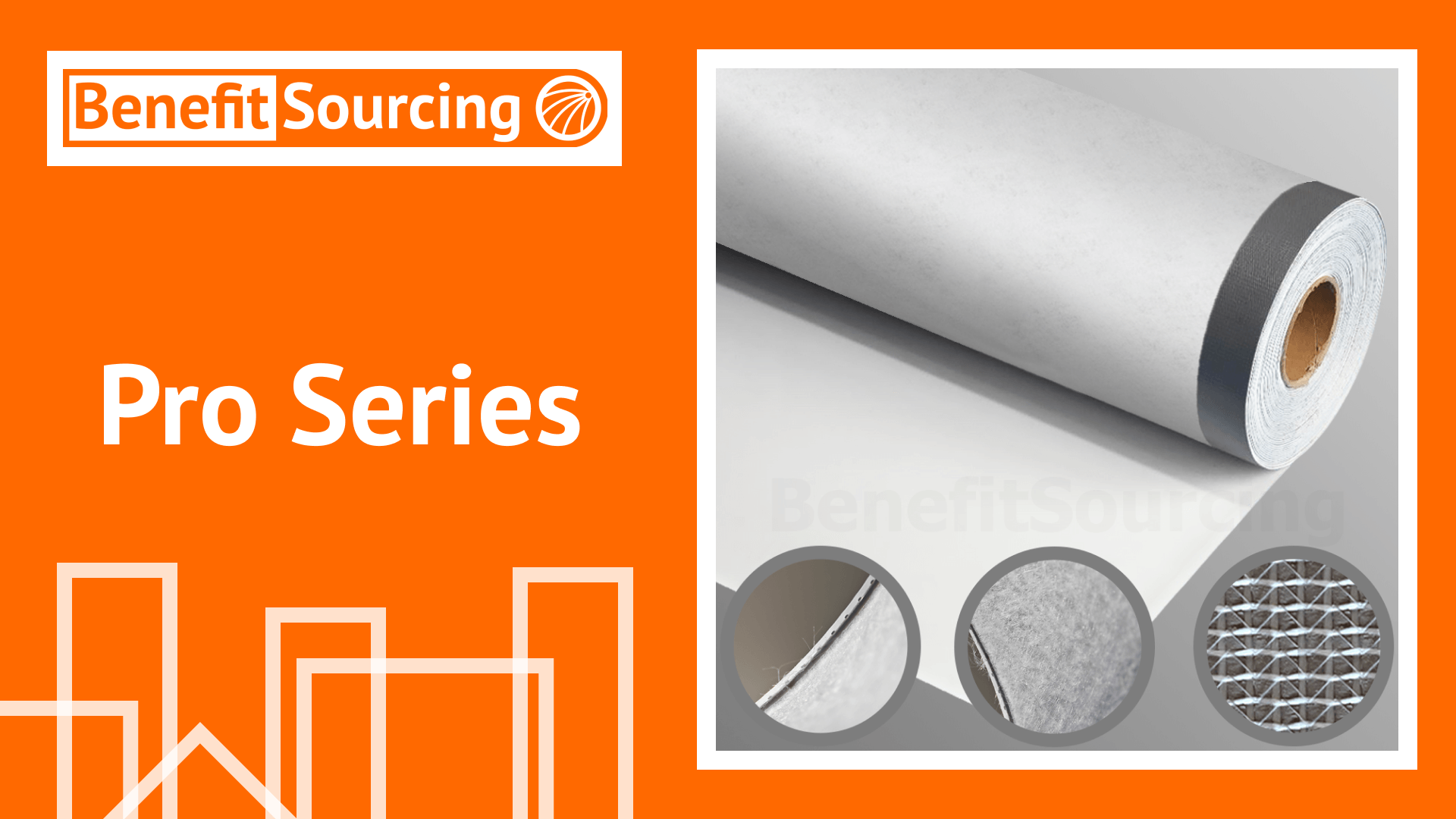
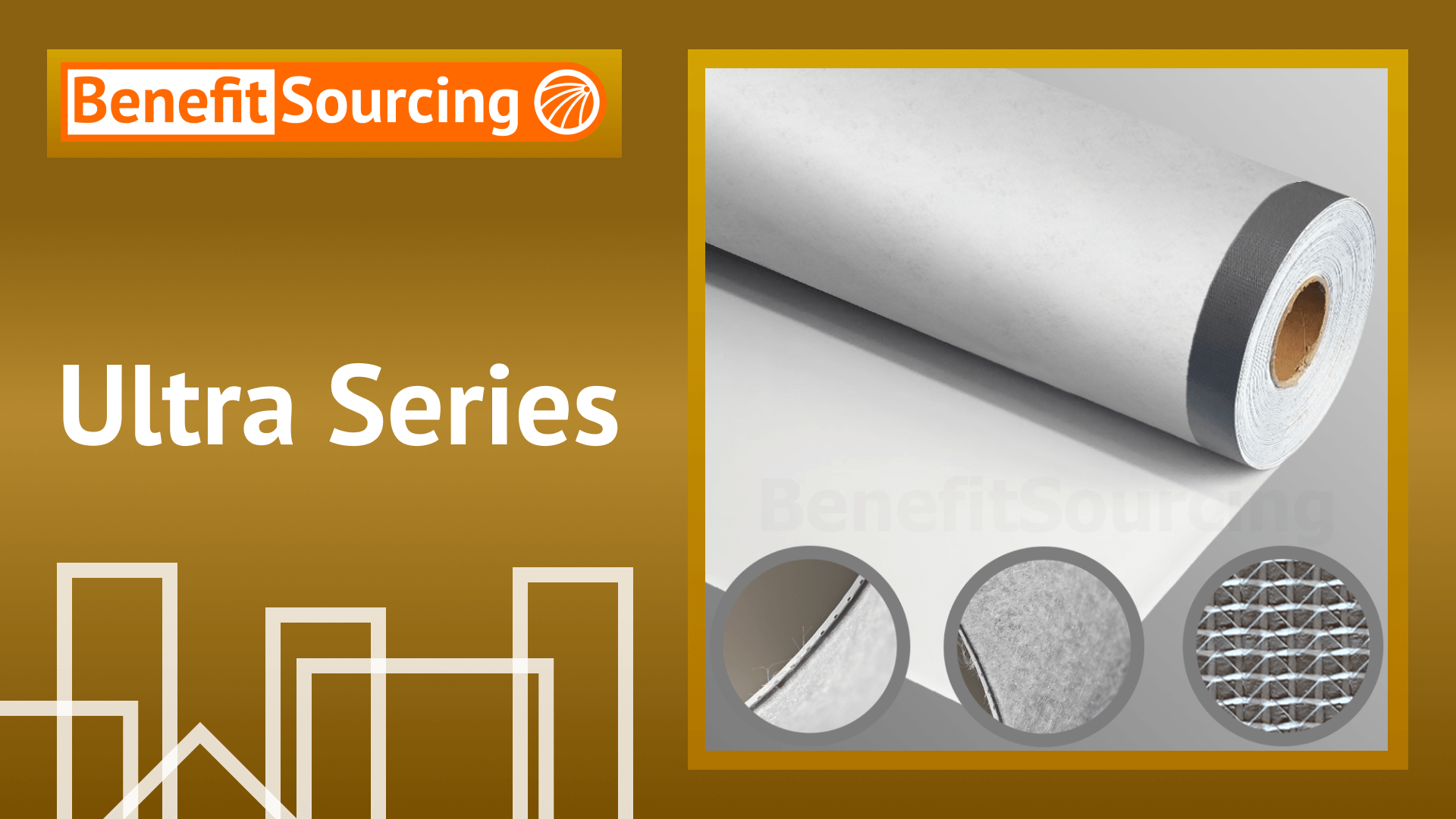
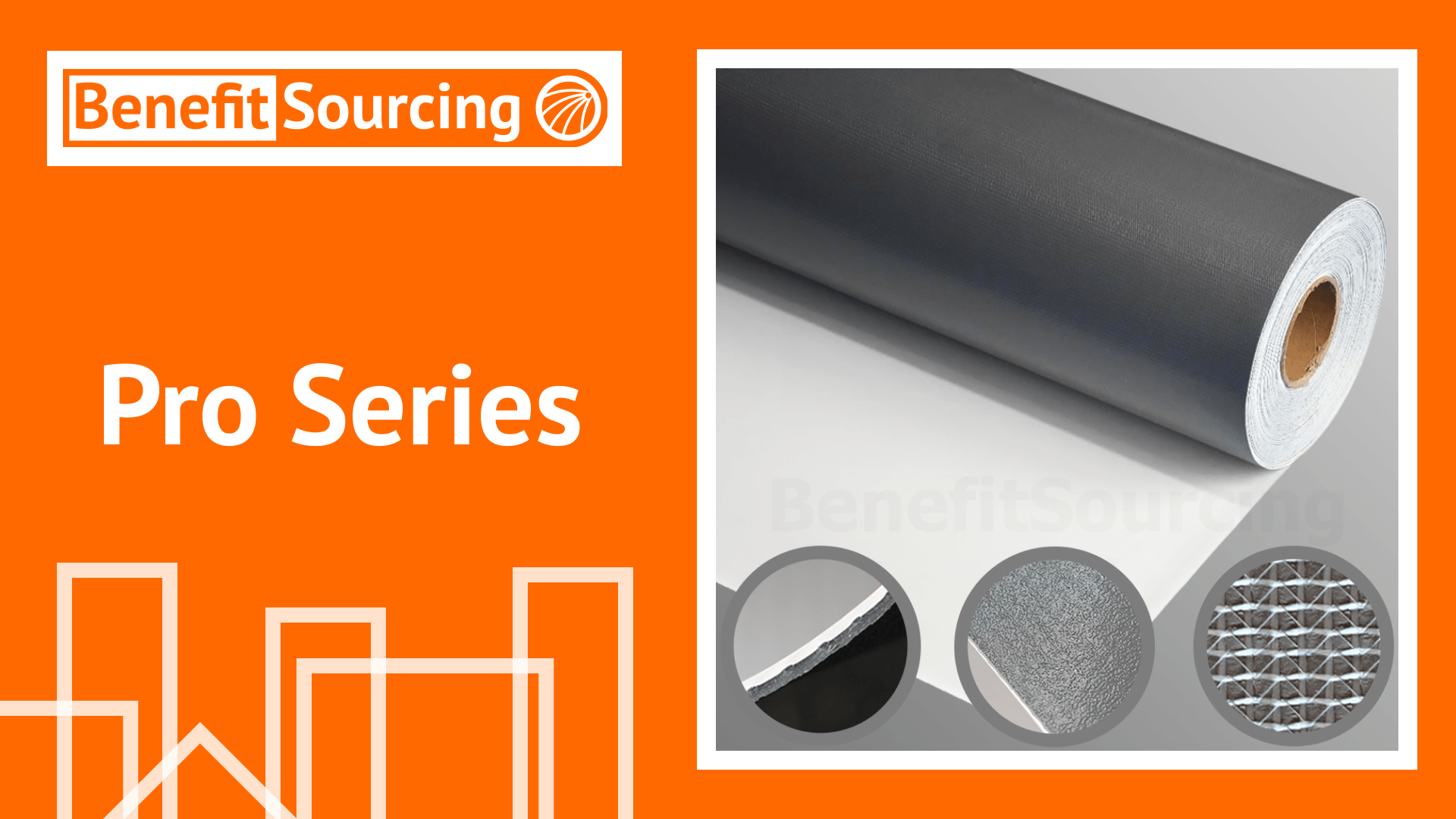
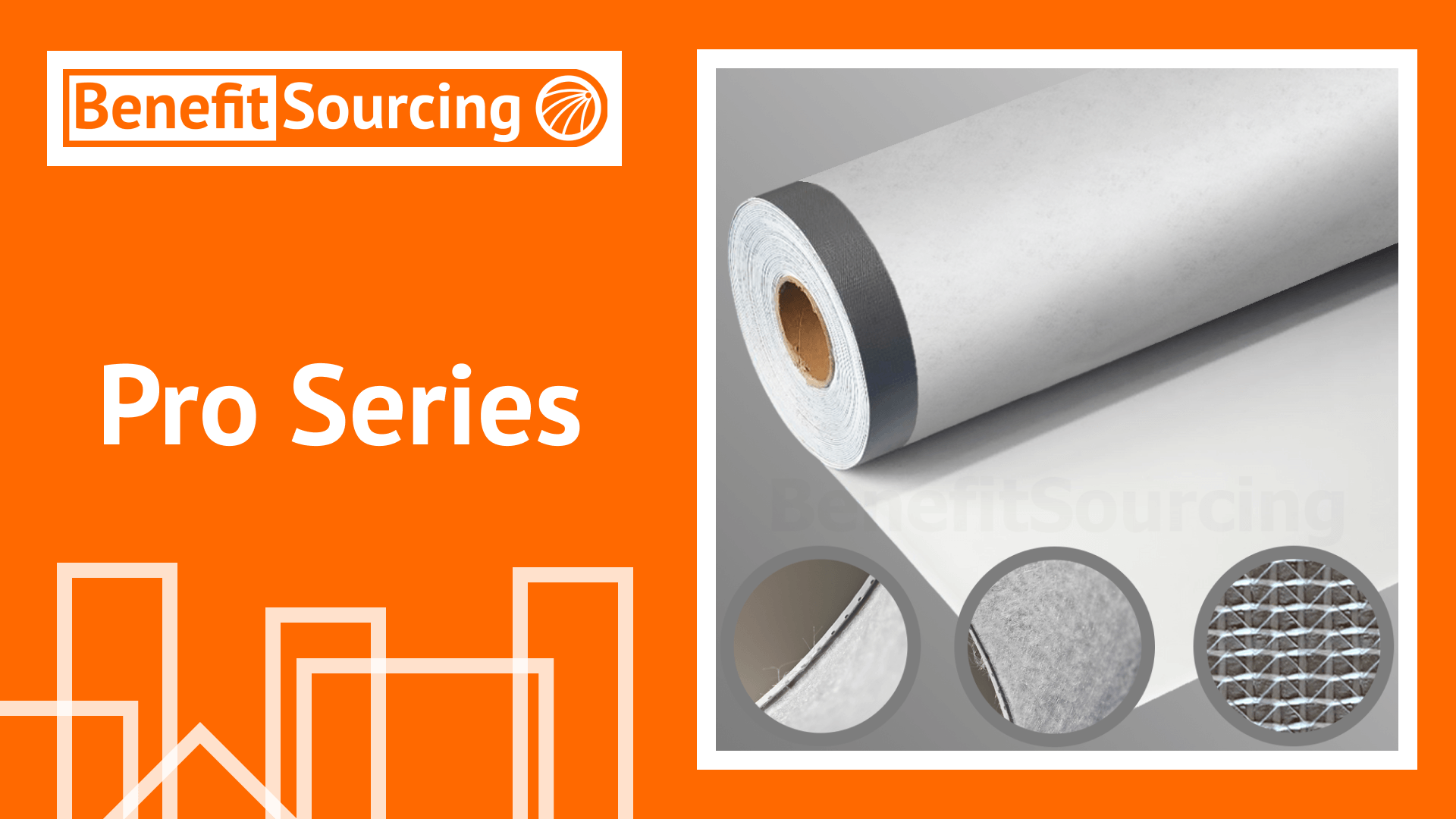
Low-slope roof repairs are a common use case for PVC and TPO membranes because the roof often needs a repair system that can handle seams, details, and drainage behavior in the same job. The membrane choice should support those repair realities instead of making the crew work around them.
Common issues include:
That means the repair material has to be easy to control and reliable at the edges.
The best membrane for low-slope repair work should help with:
Low-slope roofs often hold water longer and get touched more often. That combination puts extra stress on the membrane and makes detail quality more important. A repair that ignores the surrounding stress zone is likely to fail again.
This topic is useful because it connects the product to a very common real-world use case. Contractors searching for low-slope repair guidance want practical answers, and manufacturers who provide them can build trust through field-relevant advice.
Membranes for Low-Slope Repairs is part of our roofing membrane faq knowledge series and explains practical roofing membrane information for product selection, installation, or project planning.
This article is useful for roofing contractors, waterproofing companies, specifiers, and project teams that need clearer membrane guidance before product selection or inquiry.
Use the contact form on this page to discuss related PVC or TPO membrane products, request a Technical Data Sheet (TDS), or ask about OEM and project requirements.
Need product data, sourcing support, or OEM guidance?