Product questions matter because the membrane type affects how the roof is installed, maintained, and repaired later. This FAQ keeps the answers focused on the choices that matter most in the field.
The first things contractors usually need to know are thickness, reinforcement style, and whether the membrane is better suited for fully adhered or mechanically attached work.
Thickness affects durability, puncture resistance, and how the membrane behaves under traffic and weather stress. A thicker membrane is not a cure-all, but it can improve the roof’s margin of safety in the right project.
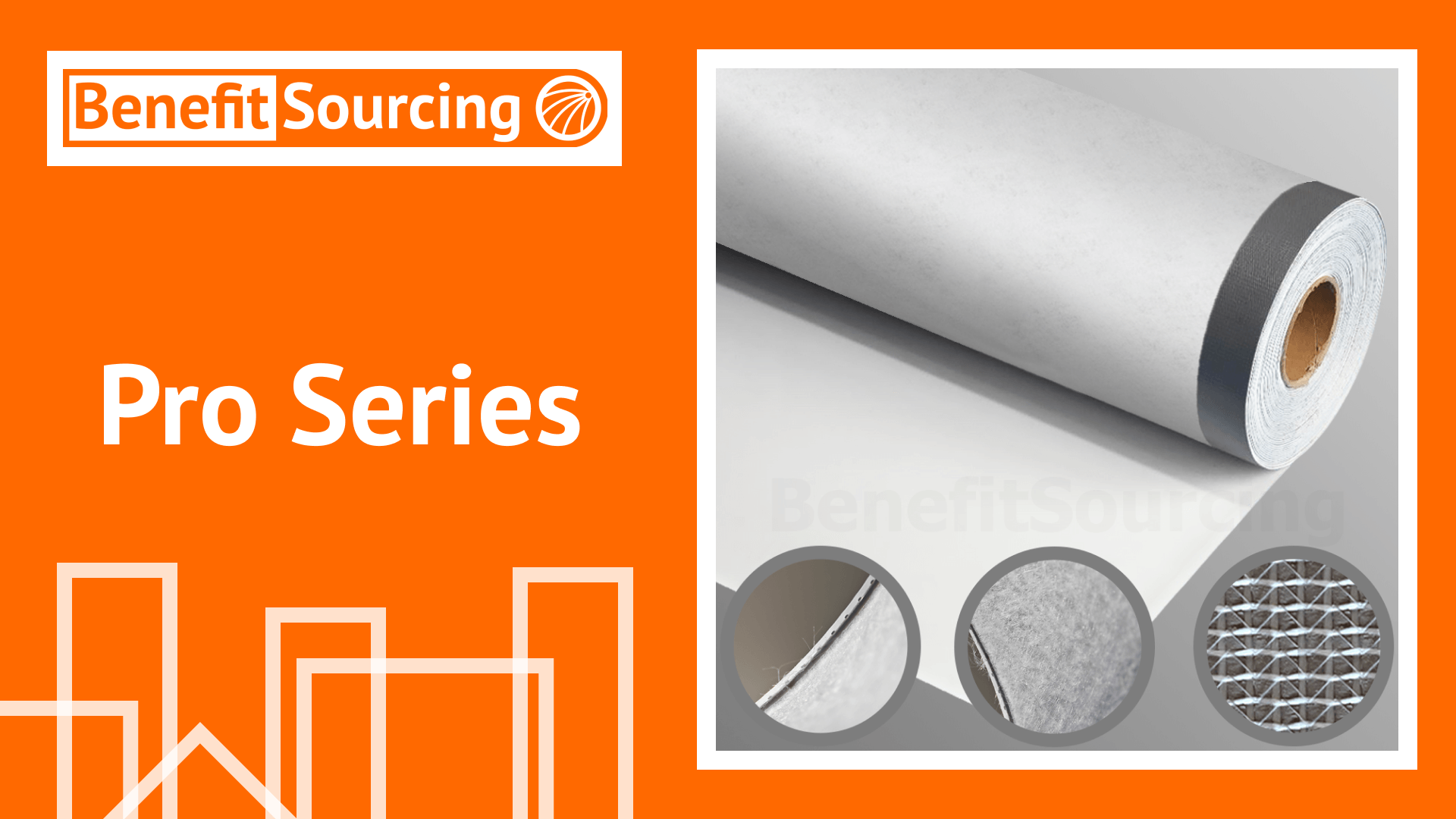
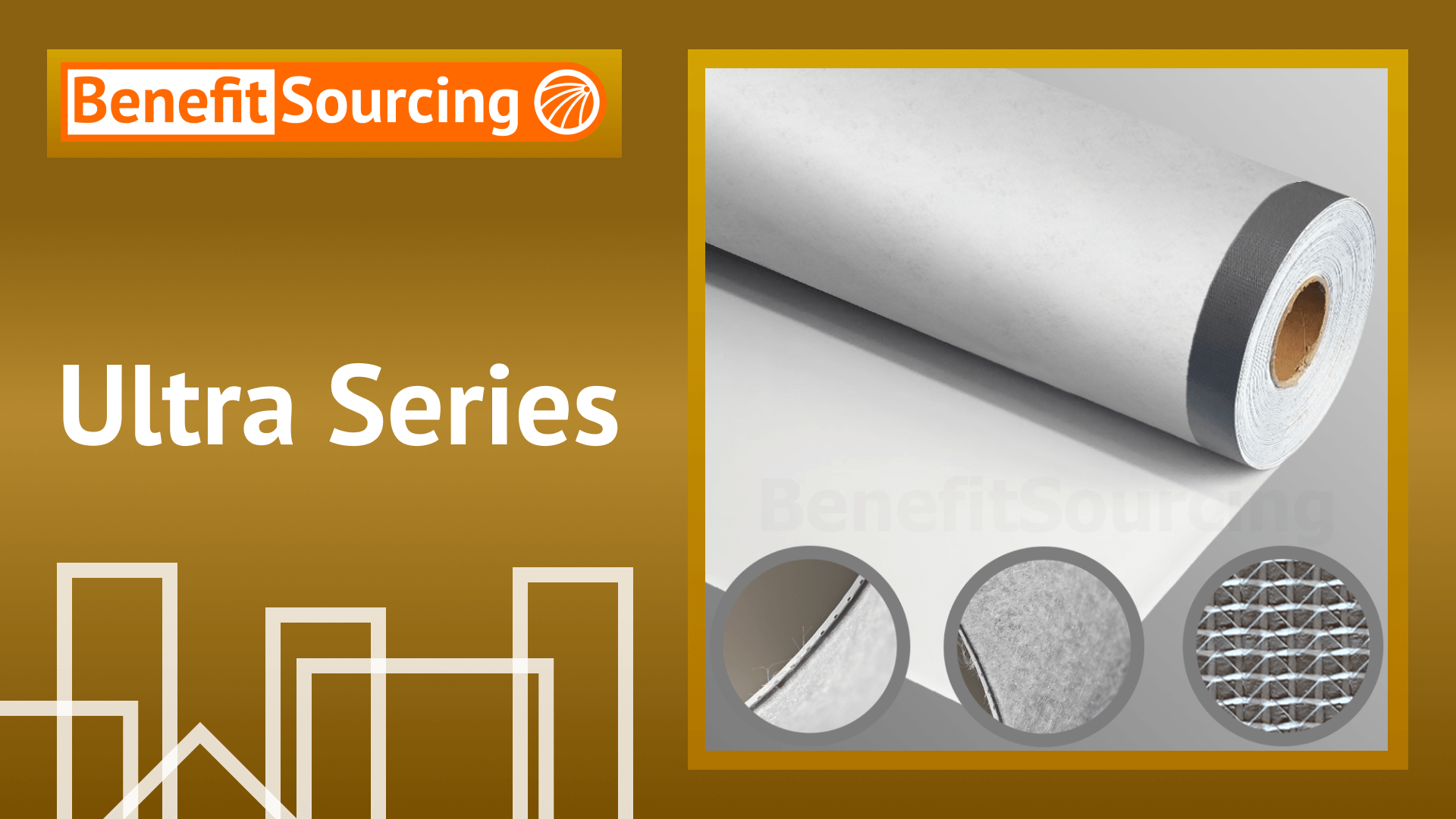
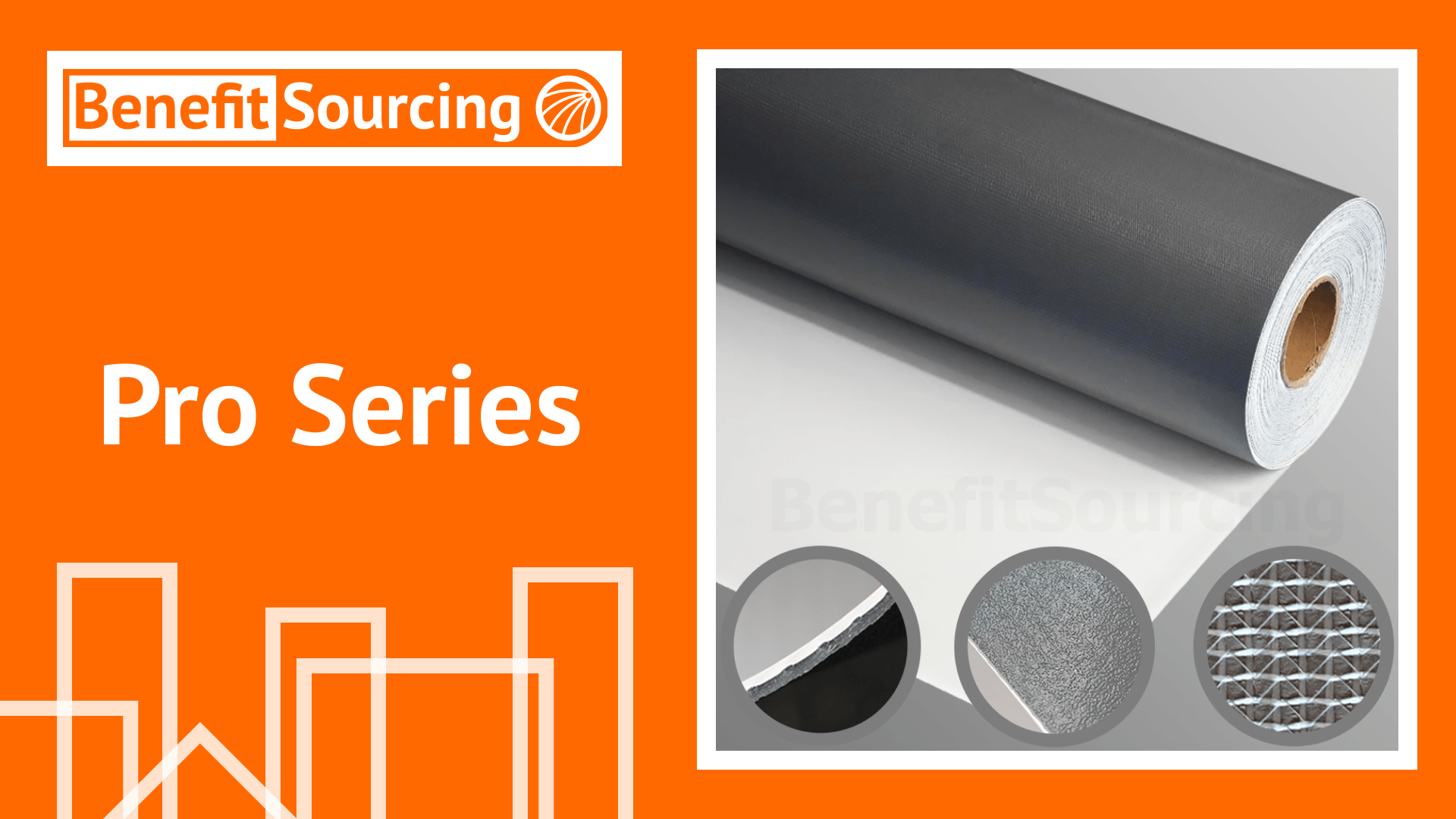
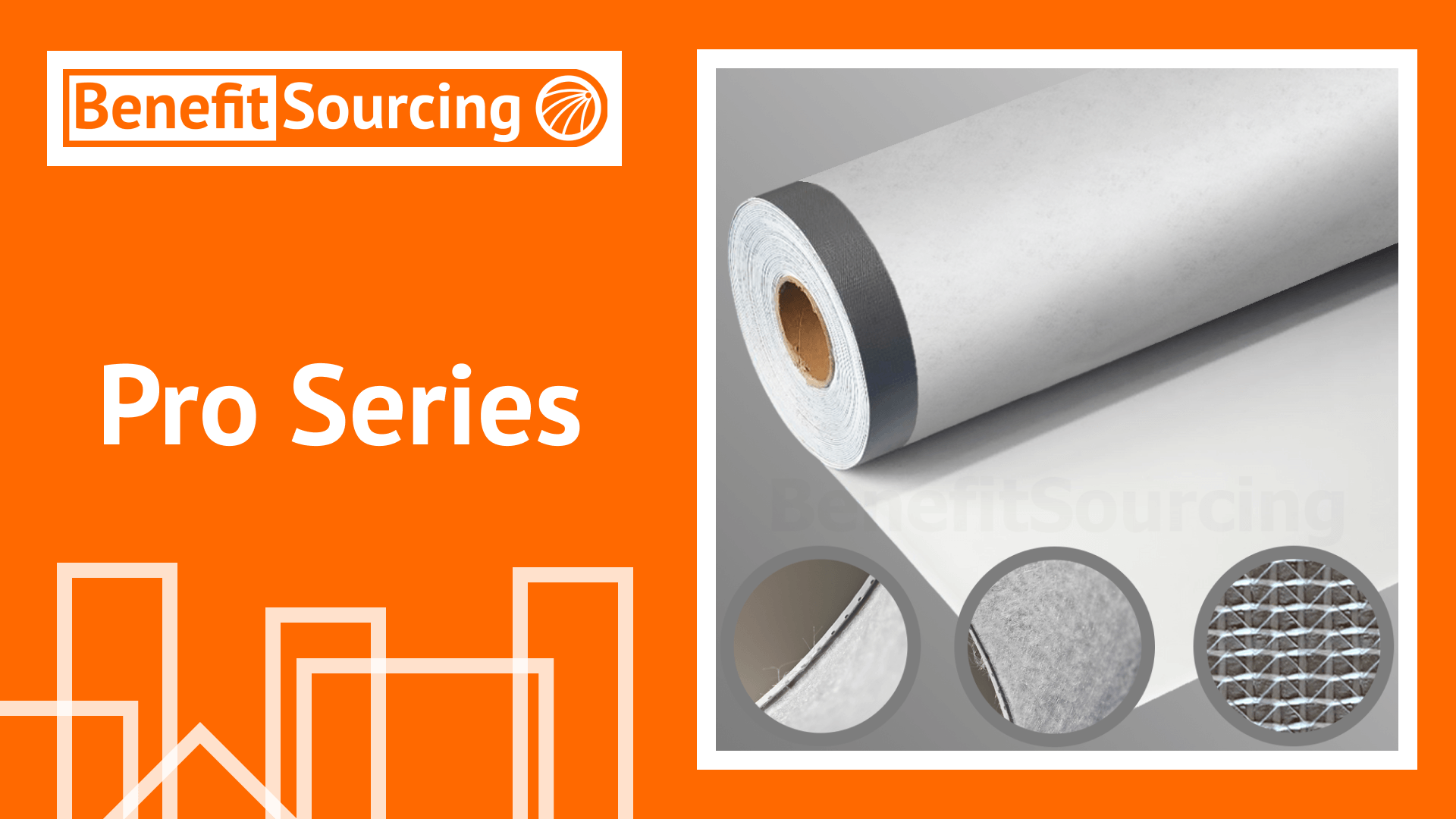
Reinforced membranes are built for strength and stability. Fleece-back membranes are often used when the assembly needs better compatibility with certain substrates or repair conditions.
The better the original product matches the project, the easier the roof is to inspect and maintain later. A good product fit usually means fewer recurring detail problems.
Contractors and owners make better decisions when they understand how product design affects field performance. That is especially true for PVC and TPO roofs on commercial buildings.
Roofing Membrane Product FAQ is part of our roofing membrane faq knowledge series and explains practical roofing membrane information for product selection, installation, or project planning.
This article is useful for roofing contractors, waterproofing companies, specifiers, and project teams that need clearer membrane guidance before product selection or inquiry.
Use the contact form on this page to discuss related PVC or TPO membrane products, request a Technical Data Sheet (TDS), or ask about OEM and project requirements.
Need product data, sourcing support, or OEM guidance?