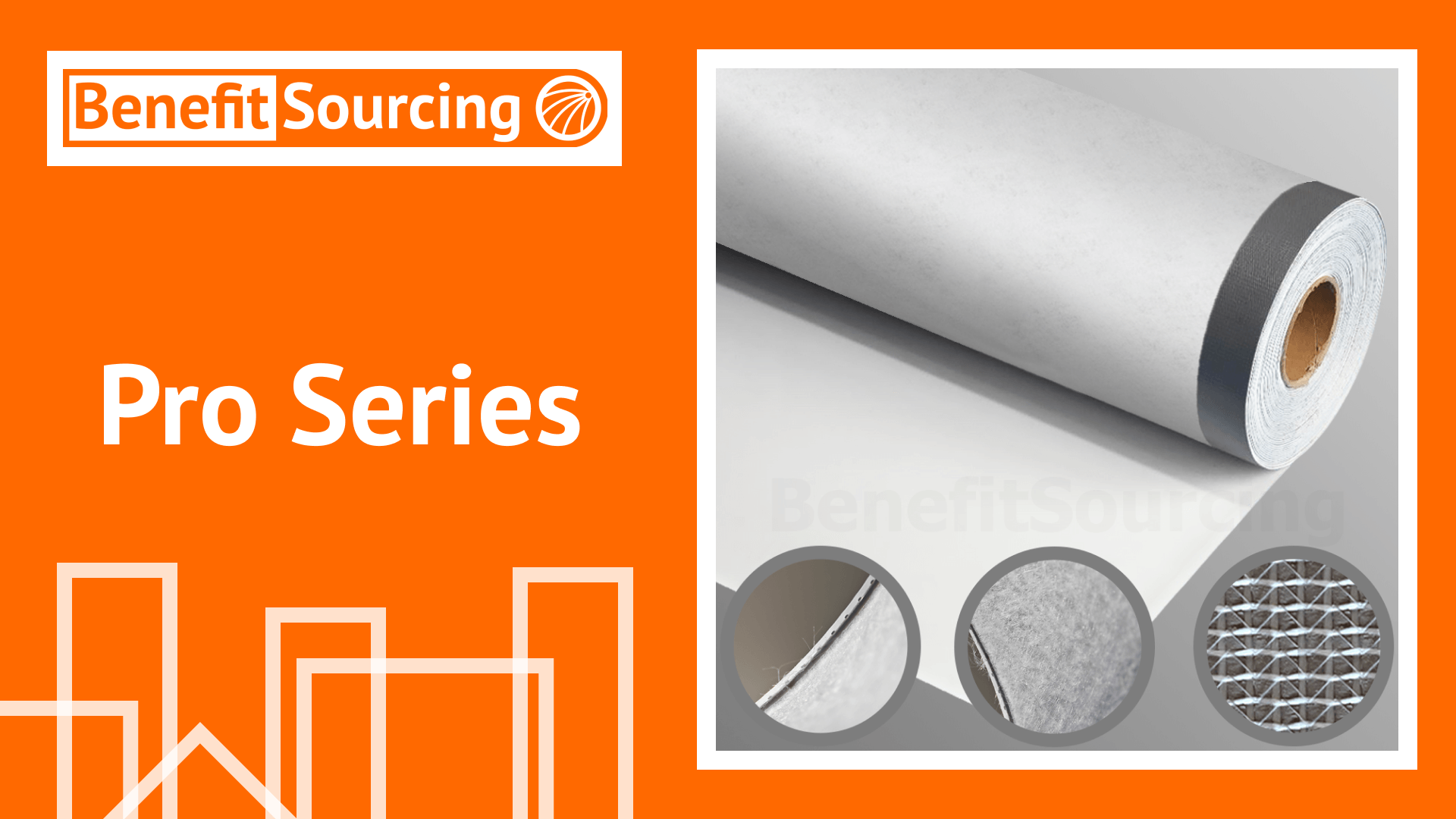
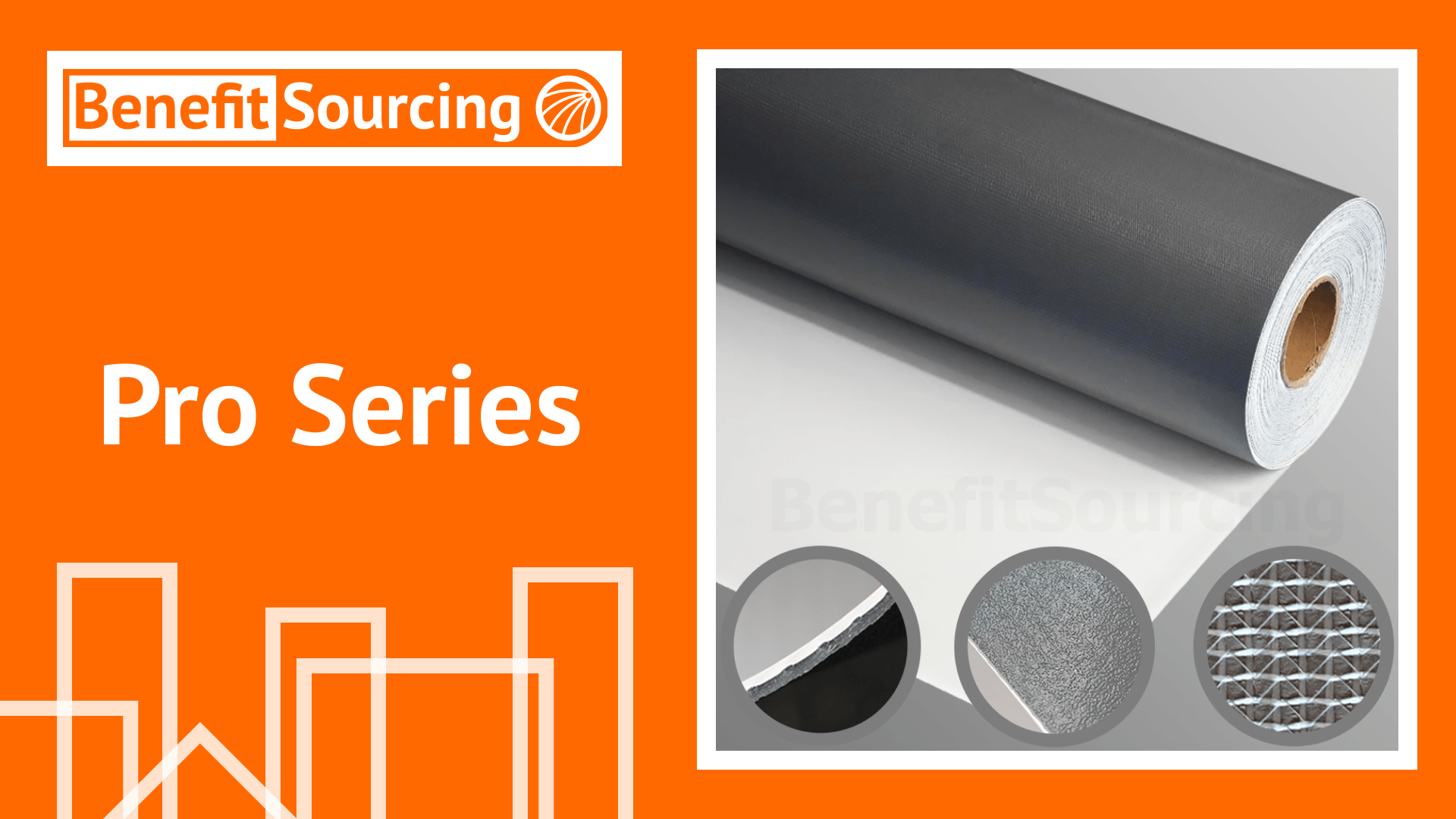
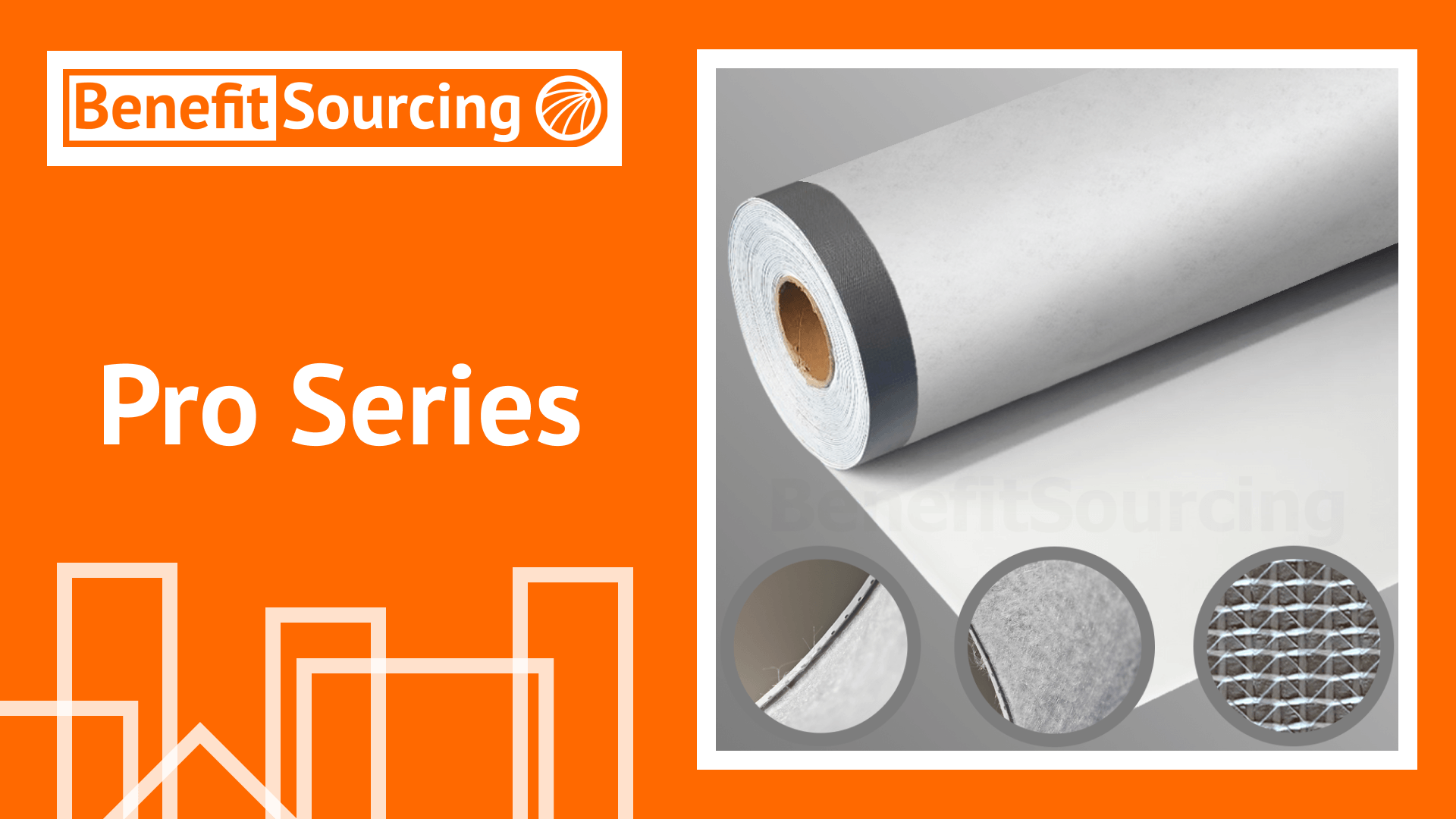
UV resistance is one of the reasons PVC roofing membrane works well on many commercial roofs. The membrane has to live under sun, heat, and weather for years, so its surface behavior matters as much as its initial installation.
Good UV resistance does not mean the roof never changes. It means the membrane can handle long exposure without losing performance too quickly when the roof is maintained correctly.
On PVC roofs, UV resistance helps the membrane:
That is especially important on roofs with strong sun exposure or wide open field areas.
Even with good UV resistance, the roof still needs extra attention at:
Those zones often age faster than the protected field.
UV resistance is one part of roof durability. It works best when the membrane is combined with good drainage, strong detail work, and regular maintenance.
If the roof is exposed but well maintained, PVC can perform very well over time.
UV Resistance in PVC Membrane is part of our roofing membrane faq knowledge series and explains practical roofing membrane information for product selection, installation, or project planning.
This article is useful for roofing contractors, waterproofing companies, specifiers, and project teams that need clearer membrane guidance before product selection or inquiry.
Use the contact form on this page to discuss related PVC or TPO membrane products, request a Technical Data Sheet (TDS), or ask about OEM and project requirements.
Need product data, sourcing support, or OEM guidance?